
 datong


Can You Change Outlet Cover Without Turning Off Power
Technically speaking, many people do choose “live working” because the replacement process does not directly touch the live terminals or wiring screws. However, this practice is extremely unprofessional and seriously violates the industry guidelines established by OSHA (Occupational Safety and Health Administration) and NEC (National Electrical Code). Even if it is a tiny operation, once the metal screw slips and touches the live parts, the consequences will be unimaginable. Before doing it, my habit is always to confirm the power failure with a non-contact stylus. If your site often needs to replace the cover plate due to mechanical damage, it is recommended to directly replace it with industrial-grade impact-resistant weather-resistant cover plate, which can save a lot of trouble of repeated maintenance.
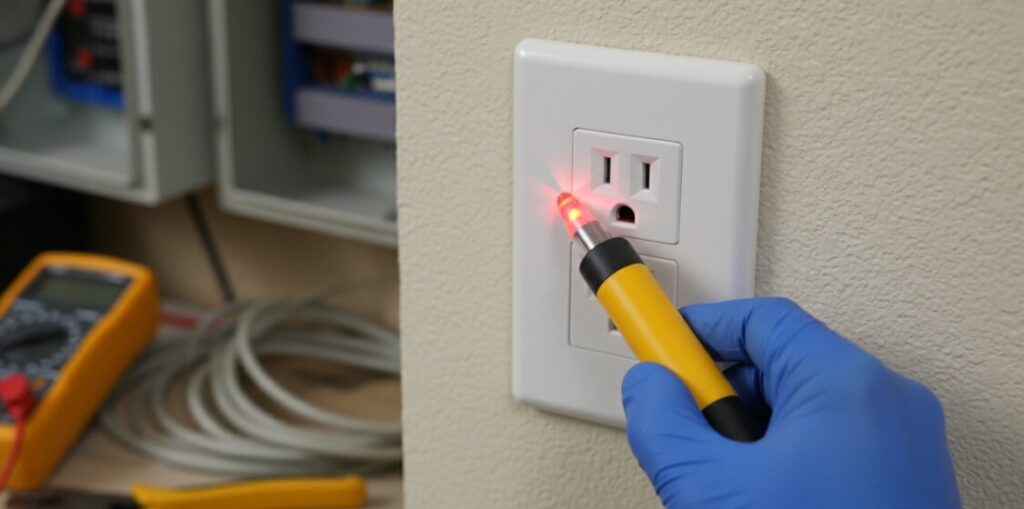
Potential Hazards Of Live Replacement Panel
Many primary maintenance personnel think that the panel is made of plastic or nylon, with good insulation and stable live operation. But in an industrial environment, we must anticipate the “worst-case scenario”.
- Risks of metal tools: The vast majority of cover screws are metal. Once the screwdriver slips, or the screw touches the live terminal inside the socket (especially in the old socket with weak installation), it is easy to produce arc or direct contact. Even if the touch is instantaneous, it will cause electric shock in the light and short circuit in the heavy. The trip is small and the damage to the equipment is a big trouble.
- The integrity of the line is destroyed: sometimes changing the cover plate will bring unexpected problems. If the equipment in the socket bottom box is loose or aging, you may accidentally push the socket in when tightening the screws. If the wire insulation skin has become brittle, this external force is likely to cause the charged body to be exposed, making a simple replacement of 30 seconds instantly become an electric shock accident.
Operational Guidelines For Professional Maintenance Personnel
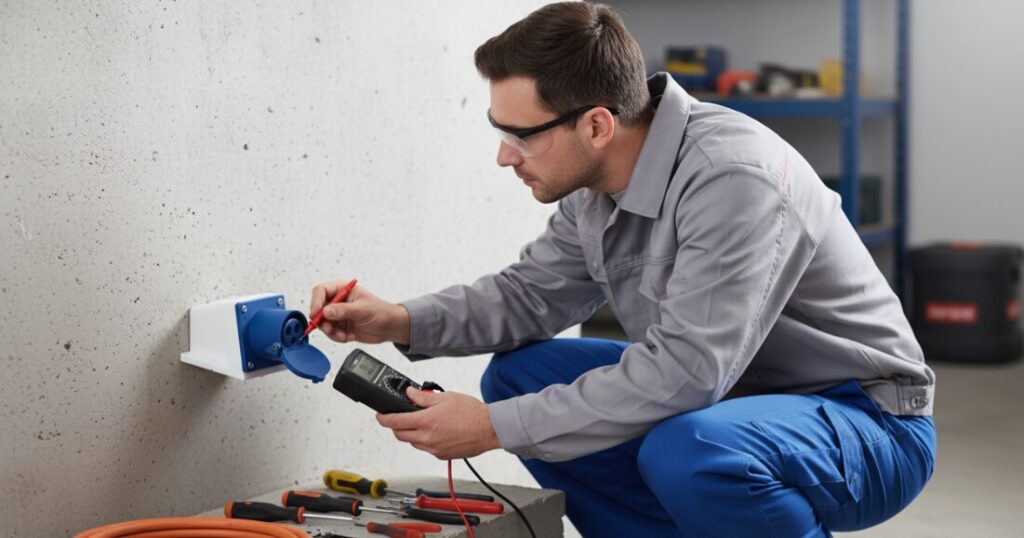
In order to comply with OSHA and NEC safety redlines, be sure to follow the following standard procedures:
- The first step: verification is the core. Don’t guess, be sure to use a reliable non-contact stylus (NCVT) test. The probe is aligned with the socket. If there is sound and light alarm, it indicates that the line is live and construction is strictly prohibited.
- Step 2: Power off if you are not sure. In a commercial or industrial environment, spending an extra minute to find an empty distribution box is totally worth it. The implementation of standard lock-out tag-out (LOTO) procedures is the only way to ensure site safety.
- Step 3: Check. Now that the cover is removed, just check the stability of the socket in the bottom box. If it shakes or is unstable, be sure to tighten the fixing screws in the power-off state to prevent problems before they occur.
- Long-term solution: quality is far more important than “saving money”. If you find that the socket cover is always cracked, damaged or discolored, the problem is not the technology, but the quality of the hardware. Frequent replacement costs money and wastes manpower.
Upgrade To DTCEE Industrial Grade Cover
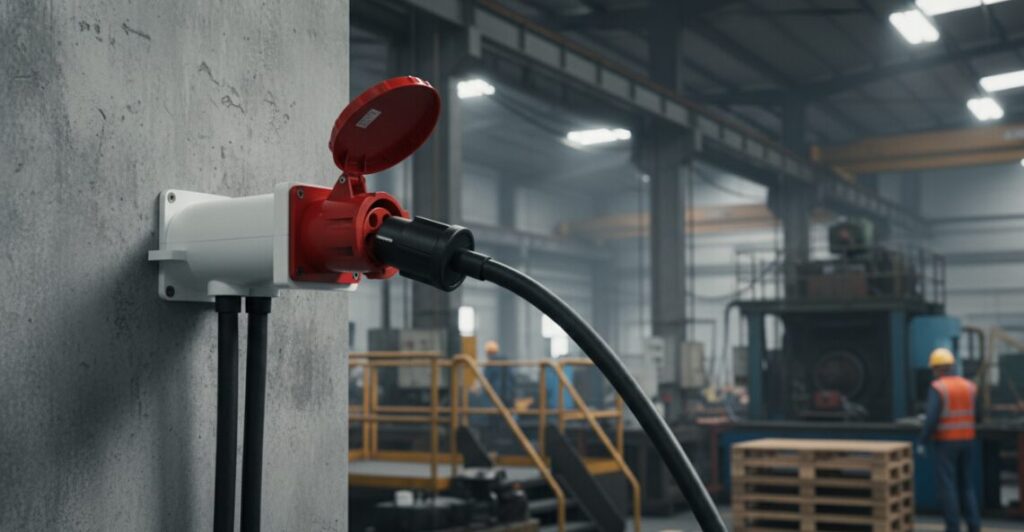
For facilities with high traffic or harsh environments, residential levels of covers cannot be carried. Replace with DTCEE’s industrial-grade anti-impact weather-resistant cover plate, the advantages are obvious:
- High durability: Designed for impact resistance, greatly reducing the frequency of replacement.
- Good protection performance: For wet, dusty or high-frequency use environment, DTCEE’s sealing design can effectively protect users and internal components.
- Lower O & M costs: The immediate benefit of high-quality materials is reduced maintenance, freeing up your team for more critical engineering tasks.
Autho: Alex Rivera
I am a Senior Industrial Electrician with over 10 years of experience in facility maintenance and power grid safety. Throughout my career, I have witnessed firsthand how small oversights in electrical protocols can lead to major site failures. My mission is to bridge the gap between complex NEC/OSHA regulations and everyday maintenance tasks, helping professionals build safer, more resilient infrastructures through superior hardware choices and disciplined operational habits.