 datong


Can Power Outlets Go Bad
Yes, power outlets absolutely go bad over time. Generally speaking, the service life of a socket is between 15 and 25 years, depending on the frequency of plugging and the quality of internal components. For those who like to do their own troubleshooting, the core point is to realize that the socket is essentially a mechanical device. As long as it is mechanical, there must be wear. The plug is clamped inside the socket by metal shrapnel, and the “contact pressure” of these shrapnel will gradually weaken with the use of year after year. Once the clamp is not tight, the connection can become loose, creating dangerous arcing and causing overheating. If you find that the socket panel changes color (such as scorched black or plastic melting), smells of persistent scorching, has obvious sparks when plugging and unplugging, or feels hot to the touch, then the socket has been completely scrapped and may cause a fire at any time. In addition, internal oxidation or GFCI device failure is also a typical manifestation of the socket “broken. For the safety of electricity in the home, any outlet with unstable power supply or physical damage should be immediately replaced with a high-quality, UL-certified (or other authoritative certification) product.
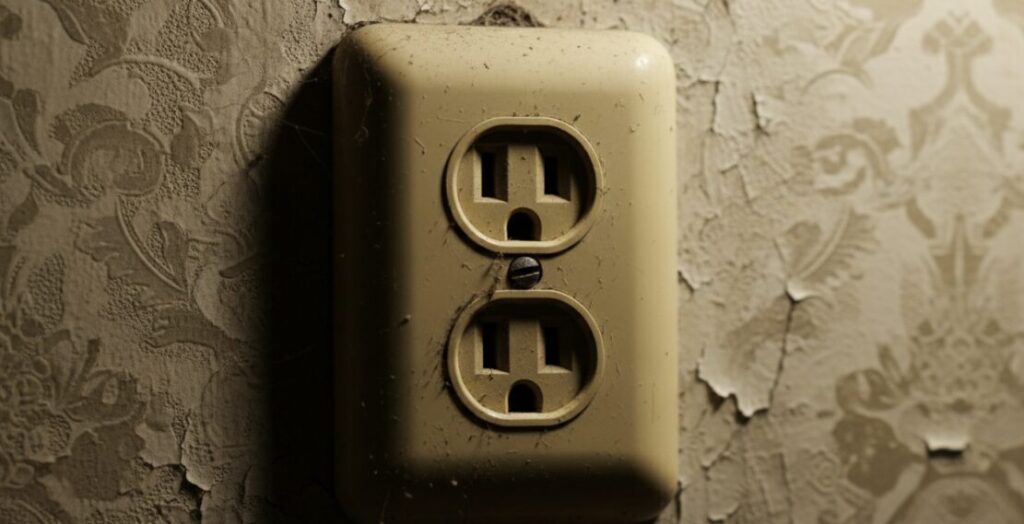
In-Depth Understanding Of The Life Of The Socket
Although the socket looks motionless, the metal shrapnel inside it will deform every time it is plugged in. The design life of most standard sockets is about 20 years, but if the environment is harsh or the use of high intensity, this window period will be shortened a lot. The most common cause of failure is the fatigue of the internal contact shrapnel. Metal is “memory” and elastic, decades down, these shrapnel will lose elasticity, become loose. When it can’t grasp the plug, the circuit connection will become unstable.
Fault Signals That Must Be Vigilant
Early detection of signs of failure of the socket, the critical moment is life-saving. If the following conditions occur, the internal component is on the verge of collapse:
- Discoloration and plastic scorching: brown, black marks or melting deformation appear on the panel, which is the most intuitive signal. This shows that the internal heat accumulation rate has far exceeded the heat dissipation rate, is the most clear warning before the fire.
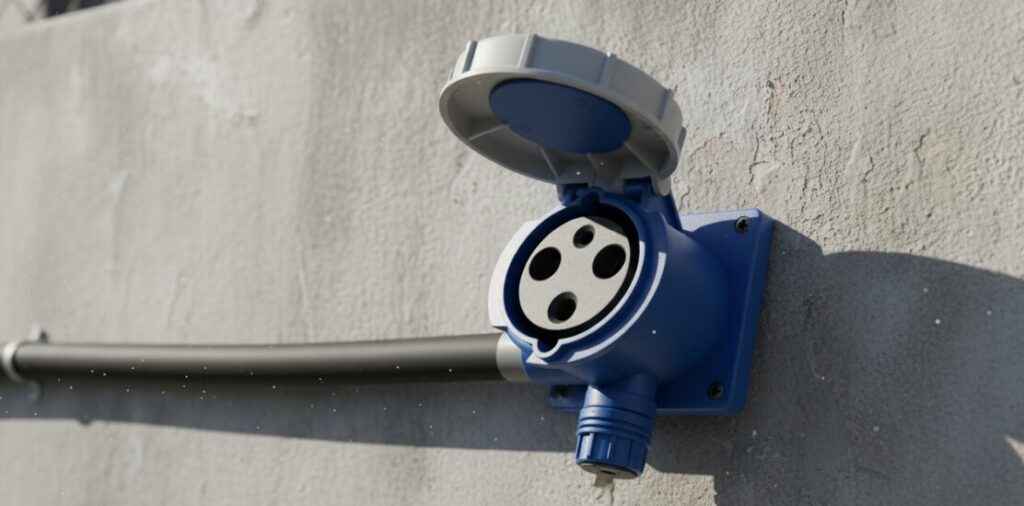
- Abnormal fever and odor: under normal circumstances, the socket should not feel hot. If you feel that the panel is hot, or you smell a burnt feeling similar to “fishy smell” or ozone smell, don’t hesitate to go to the distribution box to turn off the corresponding circuit breaker. This is an emergency.
- Obvious sparks (arc): It is normal to occasionally have a slight blue spark when plugging and unplugging high-power electrical appliances, but if it is frequent and huge spark, it is arc phenomenon. The instantaneous high temperature generated by the arc is sufficient to ignite the insulation or wooden frame within the wall.
- The plug is loose: the plug goes in and wobbles, or even falls out on its own? This means that the shrapnel is completely useless. Loose means that the resistance increases, the resistance will heat up, but also lead to the instability of the power supply of precision electrical appliances.
About Oxidation And GFCI Failure
In addition to mechanical wear, environmental factors cannot be ignored. In a humid environment, the socket terminal will produce an oxide layer. This oxide layer will form a layer of resistance, causing current transmission to be blocked, allowing the socket to perform well and sometimes, or even completely power off. In addition, in the kitchen, bathroom or outdoor, GFCI (leakage protection) socket is standard. This kind of socket has a sophisticated induction circuit inside, once the leakage will trip. If the GFCI socket cannot be reset by pressing the Reset key, or if the Test key does not respond, its internal sensor has failed. Broken GFCI is equal to zero protection, in the event of an electric shock completely unable to save lives, must be replaced.
Why Is It Important To Replace A Good Quality Socket?
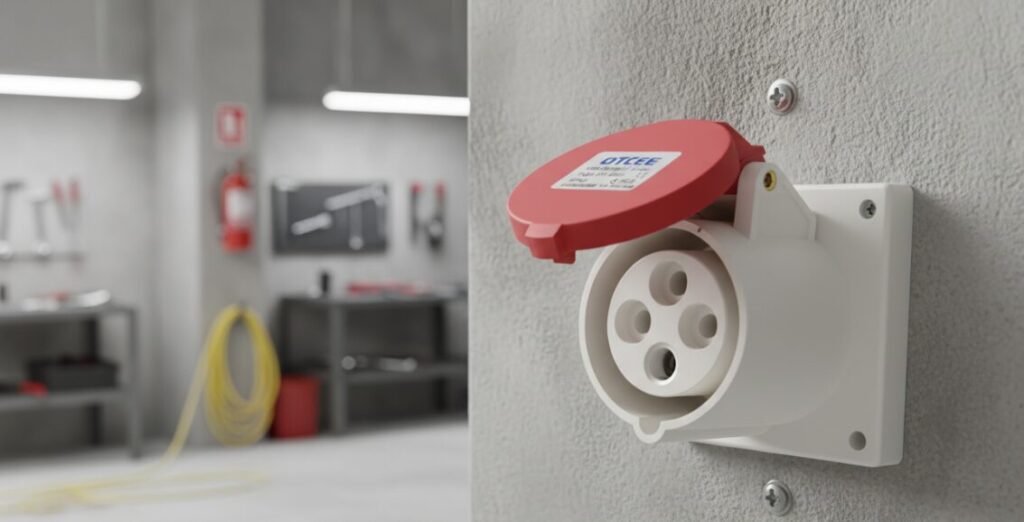
When there is a problem with the socket, it is not a long-term solution to find a cheap replacement. You need to choose high-quality sockets that meet industrial or commercial standards. Changing into a high-quality socket can bring several direct benefits:
- Better contact tension: High-grade metal alloys can maintain the tightness of the plug for decades.
- Heat resistance: High-quality thermoplastic materials are less likely to melt at high temperatures.
- Safety Compliance: Ensure that your circuit system can withstand the load of modern appliances and reduce fire hazards.
Author: Alex Chen
“I am a professional electrician with over 13 years of experience in home power systems and electrical safety. Throughout my career serving homeowners, I’ve seen firsthand how easily small components like wall outlets are overlooked until they become serious hazards. My mission is to bridge the gap between complex electrical mechanics and everyday home maintenance, helping you identify early warning signs of wear to keep your family and property safe from preventable electrical fires.”