 datong


Why Are Some Power Outlets Upside Down
You may have seen the “upside down” socket in some places-the ground hole is on the top, not on the bottom. Many people’s first reaction is that the master has installed it backwards, but in fact this is kind of safety logic specially designed to avoid a fatal short circuit.
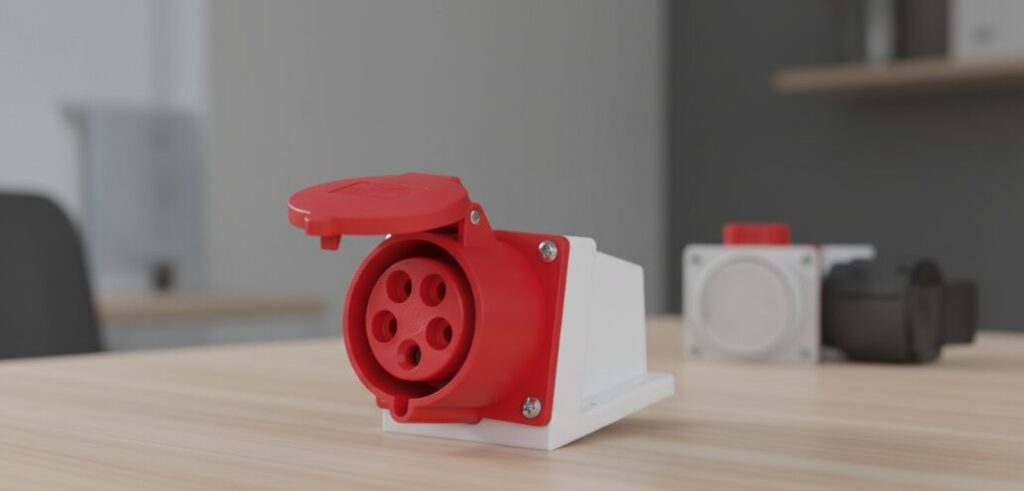
Why is it Safer to Upside Down?
This design is actually a precaution. The plug is often not tightly fitted in the socket, and there is always a slight gap.
At this time, if the ground wire hole is below, if a paper clip, coin or metal piece accidentally falls into the seam, it will directly cross the insert of the live wire and the zero wire. This moment will form a short circuit, light burst a spark, jump a brake, heavy direct fire.
But if the socket is turned upside down and the ground hole is on, the situation is completely different. When a metal foreign object falls, it will first hit the uncharged ground line and then be bounced off directly. This small change can nip potential fire in the bud.
What Does The Norm?
In the United States NEC, there is no mandatory requirement for the orientation of the socket for ordinary houses. The “smiling face” we usually see is largely due to aesthetic habits. However, in the professional circles, especially those customers of DTCEE service who have high requirements for stability, the standards can be much more stringent.
In hospitals, large data centers or high-end factories, you can see this kind of ground wire up almost everywhere. These places don’t care about good looks, they care about “infrastructure resilience”. In a crowded business environment, the probability of the plug being kicked loose or bumped is too high. This inverted design is the last line of defense.
Why Is It Necessary For High-End Industrial And Medical Projects?
If you are purchasing a power distribution solution for a factory or medical environment, you will find that “reverse dressing” is actually standard for professional installations.
Put an end to the arc: The precision instruments in the hospital are extremely sensitive to voltage fluctuations. Even a tiny arc caused by a foreign object slipping may cause data errors.
Plug more stable: in some industrial sockets, the ground pin is usually relatively large, put it on the top can play a better support role, to prevent heavy cables with the plug down.
This installation is often a signal, suggesting that the line is specially designed, such as independent grounding or backup power lines.
Professional Power Distribution
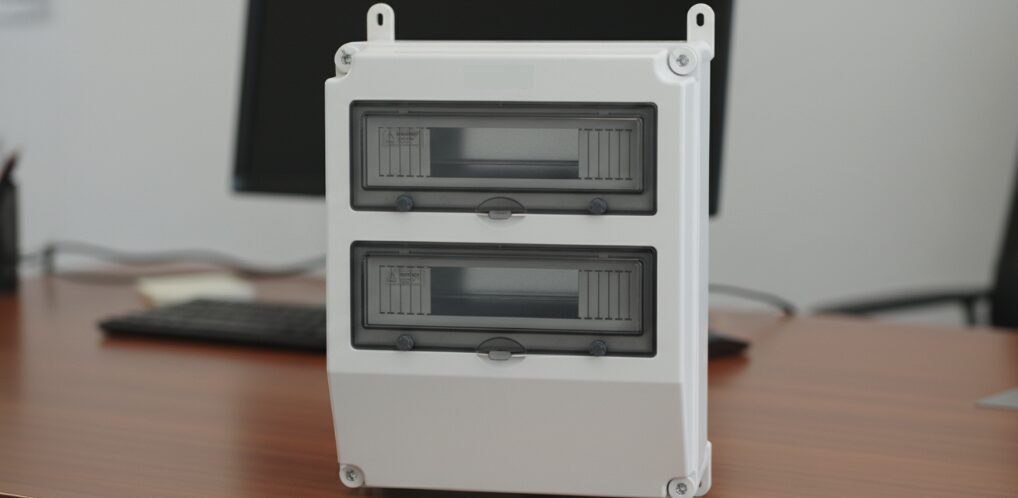
Choosing the right installation direction is only the first step. What is more important is the quality of the equipment itself. In the environment of high load and high requirements, safety is never the slogan, but is piled up by these details.
Whether designing commercial office space or complex industrial facilities, this “safety first” installation method must be combined with high-quality electrical components to make sense. Professional power distribution can not tolerate the slightest difference. From PDU to every small socket, only by cutting the details in place can we really protect the assets and not drop the chain at the critical moment.
Author Name: Daivd Yun
“Hi, I’m a power distribution specialist with over a decade of hands-on experience in industrial and medical electrical projects. Having managed numerous construction and project sites, I’ve seen firsthand how minor technical details—like the orientation of a socket—can be the difference between a safe environment and a fire hazard. “