 داتونج


لماذا تشتعل المقابس
يحدث هذا عادةً بسبب تدفق التيار المتدفق في غضون بضعة أجزاء من الألف من الثانية من ملامسة المدخل للملامسات الحية، تنغلق الدائرة، مما ينتج عنه شرارة زرقاء صغيرة. من الضروري للمشرفين على المساحات التجارية أو الكهربائيين الجدد التمييز بين هذه “الظاهرة الطبيعية” وخطر الحريق الخطير. هذه الشرارة الزرقاء الصغيرة والعابرة آمنة. على العكس من ذلك، إذا رأيت شرارة صفراء أو بيضاء فاقعة، أو سمعت صوت “طقطقة” مميزة، أو شممت رائحة احتراق، أو لاحظت أن لوحة المقبس قد احترقت وتغير لونها، فإن الطبيعة قد تغيرت تمامًا. أنت تتعامل مع “تقوس كهربائي”، والذي يحدث عادةً بسبب الأسلاك المفكوكة أو مقاومة التلامس المفرطة بسبب أكسدة الكتل الطرفية أو قصر الدائرة الكهربائية. في هذه البيئة الكهربائية ذات الأحمال العالية، فإن هذه الشرارات هي في الواقع إنذار: الشظايا المعدنية داخل المقبس قد تعبت وفقدت مرونتها، أو أن المقبس لا يمكنه تحمل مثل هذا التيار الكبير على الإطلاق، ولم يعد بإمكان الجهاز تحمله. في هذه الحالة، يجب عدم التأخير واستبدالها على الفور بمكونات صناعية عالية المستوى، وإلا فإن الخطوة التالية قد تكون تلف المعدات أو حتى نشوب حريق.
الأساس البصري للحكم
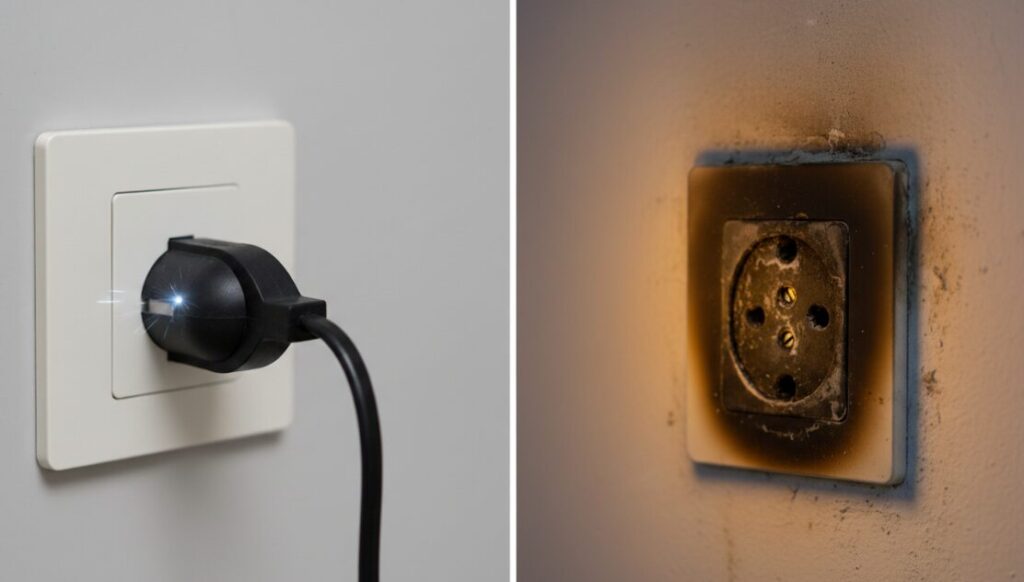
في أي عمل من أعمال التركيبات الكهربائية، فإن معرفة الفيزياء الكامنة وراء الشرارة هي الخطوة الأولى للسلامة. تنقسم الشرارات أيضًا “ثلاثة، ستة، تسعة، إلخ”، واللون والمدة هما أكثر أدوات التشخيص بديهية.
“الوميض الأزرق”: هذه ظاهرة فيزيائية قياسية. عندما يتم تشغيل جهاز عالي الطاقة، فإنه يسحب كمية كبيرة من التيار على الفور من أجل شحن المكثف أو تشغيل المحرك. ونظرًا لأن التيار يتدفق عبر فجوة الهواء الصغيرة “الانتقال” قبل حدوث التلامس الفيزيائي، تظهر شرارات زرقاء أرجوانية. هذه الشرارة سريعة ولا تترك أي أثر.
“ضوء ساطع أبيض مائل للصفرة”: إذا استمرت الشرارة وبدا لونها أصفر أو أبيض ساطعًا، فهذا يعني أنها قوس كهربائي مستمر. هذا ليس اندفاعًا كهربائيًا متحكمًا فيه؛ فالحرارة الشديدة التي يولدها عالية بما يكفي لإذابة المعدن داخل المقبس والغطاء البلاستيكي الخارجي، مما يجعلها خطيرة للغاية.
المشغلات التقنية التي تسبب تقوس المقبس
عندما تبدأ شرارة خطيرة بالظهور في المقبس، فهذا يعني عادةً وجود عطل ميكانيكي أو كهربائي داخل الجهاز.
الوصلة المفكوكة وإرهاق الشظايا
في السيناريوهات التجارية أو الصناعية، يتم فصل المقابس وتوصيلها بشكل متكرر جداً. وبمرور الوقت، تفقد الشظية المعدنية التي تثبت القابس في مكانها شدها. وعندما يتعذر عليه تثبيت القابس، يضطر التيار إلى “تمديد” الفجوة، مما يخلق قوسًا دقيقًا مستمرًا. ويؤدي هذا التراكم الحراري إلى تليين المعدن بشكل أكبر، مما يؤدي إلى محاصرته في حلقة مفرغة من التخفيف والاحتراق، والاحتراق والاحتراق.
مقاومة التلامس والأكسدة
يمكن أن تتأكسد الكتل الطرفية بسهولة إذا تعرضت الأجهزة للرطوبة أو العادم الصناعي. تولد طبقة الأكسيد “مقاومة تلامس”، ولا يعود التيار يمر بسلاسة، بل يتصلب بالقرب من طبقة الأكسيد، مما يولد درجات حرارة عالية محلية وشرارات تؤدي في كثير من الأحيان إلى حدوث دوائر كهربائية قصيرة في النهاية.
التيار العالي وخطر الحمل الزائد للدائرة الكهربائية
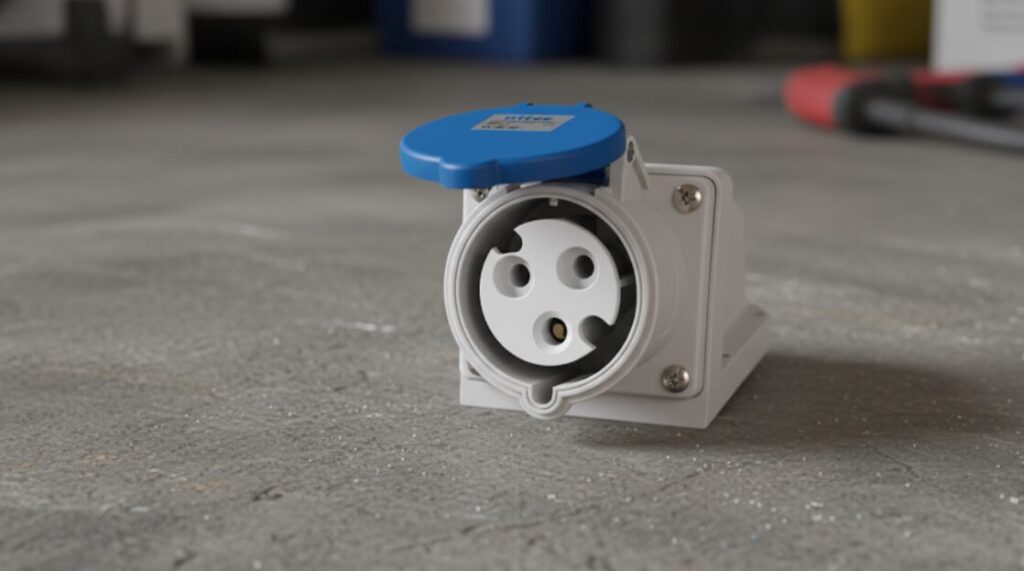
الميزة الخاصة بالبيئة الصناعية هي أنها تتطلب تيارًا عاليًا للغاية، وهي عبارة عن آلات ثقيلة في كل منعطف. عندما يتم الضغط على مقبس قياس عادي إلى أقصى حد، أو عندما تكون الدائرة الكهربائية محملة بأحمال زائدة، تكون المكونات الداخلية دائمًا في حالة إجهاد حراري.
وفي هذا السياق، غالباً ما تكون الشرارات هي التحذير الأخير. وهذا يعني أن الهيكل الداخلي للمقبس لم يعد آمناً لتحمل الحمل. إذا رأيت علامات احتراق أو “حفر استئصال” (حفر ذوبان صغيرة في المعدن على الألواح، فهذا يعني أن سلامة الوصلة قد انهارت تماماً.
لماذا تعتبر الأجهزة من الدرجة الصناعية ضرورية للسلامة الميدانية؟
إن مواجهة مأخذ شرارة شرارة ليست بالتأكيد مشكلة يمكن حلها “بتنظيف التلامسات”. فبمجرد أن يتعرض المقبس إلى تقوس شديد أو تفحم شديد، تكون خصائص التقسية (الصلابة) للمعدن قد تغيرت وتقل خصائص العزل إلى حد كبير.
لحفظ المعدات باهظة الثمن ومنع الحرائق، من الضروري استبدالها بمكونات صناعية عالية المستوى. هذه المكونات مصممة للتعامل مع البيئات القاسية:
الحفاظ على الشد: مع سبيكة عالية الجودة، يمكنها الحفاظ على شكلها حتى بعد آلاف دورات التوصيل والفصل.
مضاد للأكسدة: تتم معالجة الملامسات بشكل خاص لمنع مقاومة التلامس في البيئات القاسية.
تحمل تيارًا عاليًا: مع وجود غلاف أقوى ومسار عالي التوصيل، فإنه يقضي على السخونة الزائدة التي تسبب سحب القوس الكهربائي من المصدر.
عدم تجاهل العلامات التحذيرية
الشرر الصادر من مأخذ التيار الكهربائي هو أكثر من مجرد إزعاج بسيط؛ إنه تقرير تشخيصي من النظام الكهربائي. في حين أن الشرارات الزرقاء الصغيرة هي جزء من التشغيل الطبيعي، فإن أي علامات حرارة أو ضوضاء أو تغير في اللون تحثك على اتخاذ إجراء ما.
تبدأ حماية المساحات التجارية والآلات عالية القيمة باختيار الأجهزة المناسبة. عندما يكون المقبس محملاً بالفعل، فإن مجرد استبداله بمكون من الدرجة الصناعية هو الطريقة الوحيدة لضمان الموثوقية على المدى الطويل ومنع نشوب الحرائق.
المؤلف: روبرت تشين
“مرحباً، أنا استشاري كهربائي صناعي أول في مجال الكهرباء الصناعية ولدي خبرة ميدانية تزيد عن 11 عاماً، وقد رأيت عن كثب كيف يمكن أن تؤدي شرارة خاطئة إلى تعطل كارثي للمعدات. لقد كرّستُ حياتي المهنية للإشراف على السلامة الكهربائية في المساحات التجارية ذات الطلب العالي وتدريب الجيل القادم من مديري المرافق. أنا متخصص في تشخيص إجهاد الأجهزة والدعوة إلى إيجاد حلول صناعية لضمان أن تظل كل ‘نقرة’ من القابس آمنة. “