
 datong


¿Son universales las tomas de corriente?
No, los enchufes globales no son universales.
Esta incoherencia de normas plantea dos retos fundamentales a los aficionados a la electrónica: El 1 es el nivel físico de coincidencia de los enchufes, y el 2 es la sincronización de las normas eléctricas. En la actualidad, existen 15 tipos diferentes de enchufes en todo el mundo, denominados con las letras de la A a la N. Esto significa que si usted tiene en la mano un enchufe británico de tipo G, no podrá conectarlo a la toma de pared estándar americana de tipo B sin un convertidor específico. Además de la forma, hay que fijarse en las especificaciones de la corriente alterna. Aunque muchos cargadores se diseñan ahora con un voltaje amplio, si se introduce a la fuerza un dispositivo de un voltaje nominal de 110V en una toma de 220V-240V, las consecuencias suelen ser devastadoras, en caso de rotura instantánea del condensador, de daños permanentes en el hardware o incluso de incendio.
Compatibilidad física
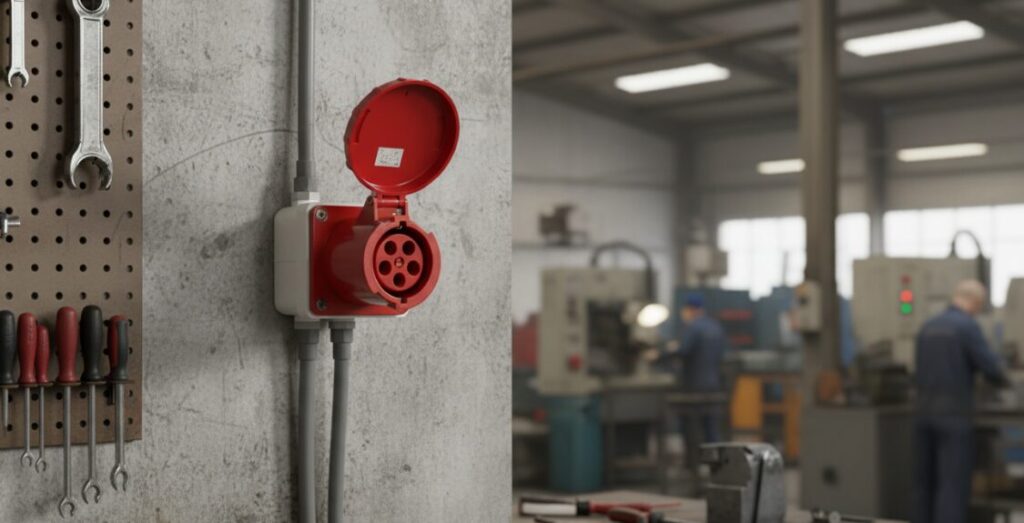
La primera barrera que te encontrarás es la forma de la toma de corriente en la pared. Como ya hemos dicho, las diferencias entre los 15 tipos de enchufes no son sólo estéticas. Tienen que ver con la forma de las clavijas y las distintas configuraciones de clavijas de tierra diseñadas para cumplir la normativa local de seguridad.
- Norteamérica y Japón: Básicamente se utilizan el tipo A y el tipo B.
- Reino Unido y Hong Kong: Utilice el voluminoso sistema de tipo G con puertas de protección. Desde el punto de vista de la seguridad, el diseño de esta norma es realmente sólido.
- Europa: La mayoría de los países utilizan el tipo C, E o F y cuentan con dos clavijas redondas.
- Australia contra China: El tipo I, el de punta plana con bisel, se ve a menudo.
Sincronización de normas eléctricas
Aunque encuentres un cabezal de conversión para arreglar la conexión física, los circuitos del interior del aparato siguen enfrentándose a una amenaza más sutil: la sincronización de las normas eléctricas.
Tensión amplia frente a tensión única
La mayoría de los aparatos electrónicos de consumo, como el cabezal de carga del iPhone o el MacBook, son ahora dispositivos de “voltaje ancho”. Estos aparatos están diseñados para ser lo bastante inteligentes como para adaptarse automáticamente a las especificaciones de corriente alterna del mundo. Muchos aparatos de gran potencia -como secadores de pelo, máquinas de cocina o videoconsolas específicas- suelen ser de “voltaje único”.
El papel de la frecuencia
La frecuencia se refiere a la velocidad direccional de conmutación de la corriente. En Norteamérica la frecuencia es de 60 Hz, mientras que en el resto del mundo es de 50 Hz. En los aparatos con reloj interno o motor, esta diferencia de frecuencia puede hacer que el aparato funcione demasiado rápido, demasiado lento o incluso que se sobrecaliente. Mucha gente tiende a pasar esto por alto, pero lo cierto es que alarga la vida del aparato.
El coste del emparejamiento forzoso
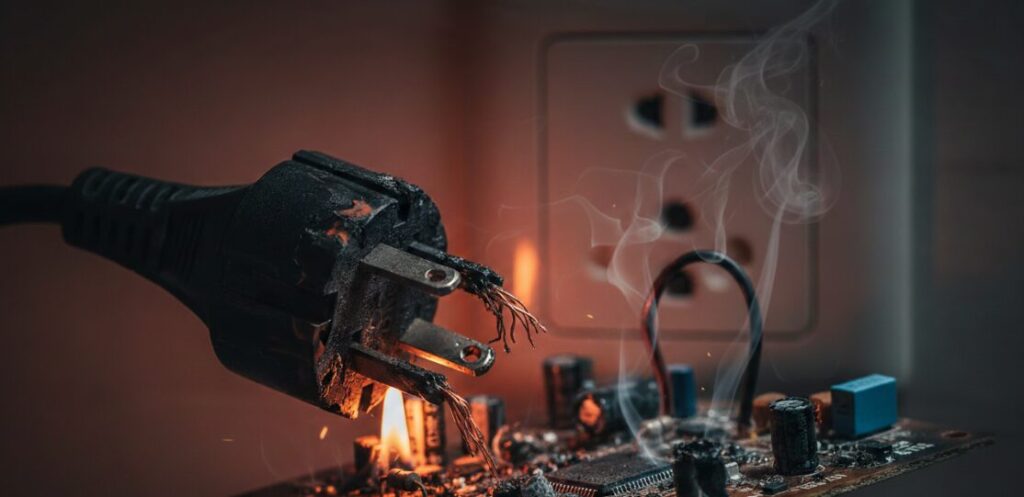
El riesgo de ignorar estas normas es muy grave. Cuando un aparato de 110 V se ve obligado a consumir corriente de 240 V, el exceso de energía produce un estrés térmico instantáneo.
- Cortocircuito devastador: el condensador interno puede estallar instantáneamente, haciendo directamente que su costoso equipo sea desechado.
- Peligro de incendio: El sobrecalentamiento del cable puede fundir las carcasas de plástico.
- Fallo de conexión a tierra: Si utiliza un cabezal de conversión sin protección de puesta a tierra para enchufar el equipo que debe estar conectado a tierra, equivale a eliminar la última barrera de seguridad. Una vez que se produzca la fuga, el riesgo de descarga eléctrica personal aumentará bruscamente.
Herramientas esenciales
Para salvar la brecha causada por estas tomas no universales, hay que elegir el equipo adecuado:
- Conversor de viajes: Sólo cambian la forma de las clavijas. Recuerde, esto sólo se aplica a los equipos de amplia tensión, antes de enchufarlo, asegúrese de mirar la etiqueta “Entrada” en el enchufe.
- Convertidor de tensión: suele utilizarse para aquellos aparatos de calefacción o equipos mecánicos sencillos.
- Transformador de tensión: Esta es una solución de alta resistencia para electrónica de precisión. Si quieres que un equipo estéreo importado de EE.UU. funcione a 220 V durante años, esta es la única forma fiable de garantizar una conversión de voltaje estable.
Autor: Alex Thorne
He dedicado mi carrera a ayudar a viajeros y entusiastas de la electrónica a navegar por el complejo laberinto de las redes eléctricas mundiales. Después de haber trabajado en más de 60 países, he visto de primera mano los ‘devastadores’ resultados de voltajes desajustados y adaptadores equivocados. Mi misión es garantizar que sus aparatos de gama alta sigan conectados y protegidos, independientemente de la forma que adopte la toma de corriente.
