 datong


Quelle taille de câble pour les prises extérieures
33Pourquoi le câble SWA de 2,5 mm² est le meilleur choix pour l'alimentation électrique en extérieur. Assurer la sécurité, la durabilité et des performances optimales.
Voir les détailsRecherche dans l'ensemble de la station
No, global sockets are not universal.
This inconsistency of standards poses two core challenges for electronics enthusiasts: Is the physical level of plug matching, and the 2 is the synchronization of electrical standards. There are currently 15 different types of plugs worldwide, named after the letters A to N. This means that if you are holding a British Type G plug, it will not be able to plug into the American Type B standard wall socket without a dedicated converter. In addition to the shape, you have to stare at the specifications of the alternating current. Although many chargers are now designed with a wide voltage, if a single voltage device rated at 110V is forcibly inserted into a 220V-240V socket, the consequences are often devastating-in the case of instantaneous capacitor breakdown, in the case of permanent hardware damage or even fire.
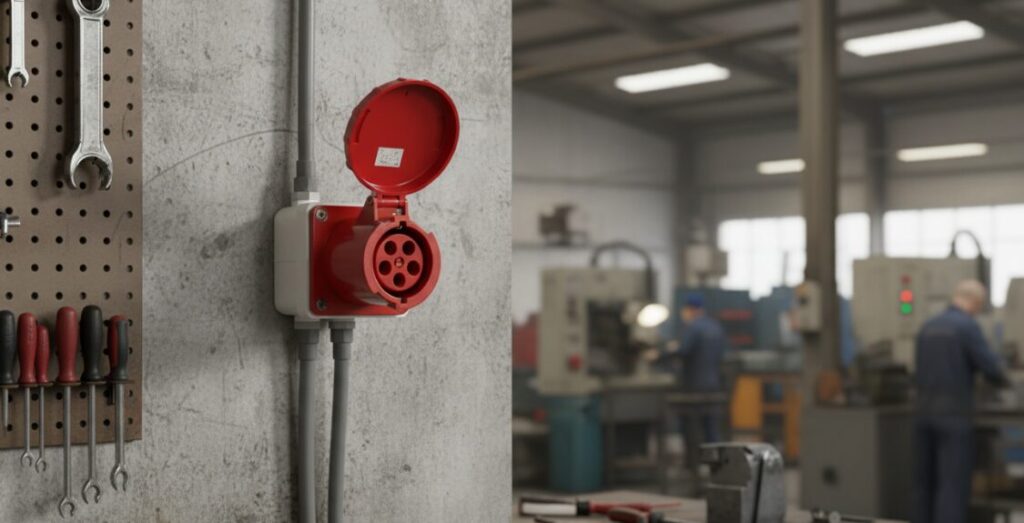
The first barrier you’ll encounter is the shape of the socket in the wall. As mentioned earlier, the difference between the 15 plug types are not just for good looks. They relate to the shape of the pins and the various ground pin configurations designed to comply with local safety regulations.
Even if you find a conversion head to fix the physical connection, the circuitry inside the device still faces a more subtle threat: the synchronization of electrical standards.
Most consumer electronics, like the iPhone’s charging head or MacBook, are now “wide-voltage” devices. These things are designed to be smart enough to automatically adapt to the world’s AC power specifications. Many high-power appliances-such as hair dryers, cook machines or specific game consoles-tend to be “single voltage”.
Frequency refers to the directional speed of current switching. North America runs 60Hz, while most other parts of the world use 50Hz. For devices with an internal clock or motor, this frequency difference can cause the device to run too fast, too slow, or even overheat. Many people tend to overlook this, but it does wear out the life of the appliance.
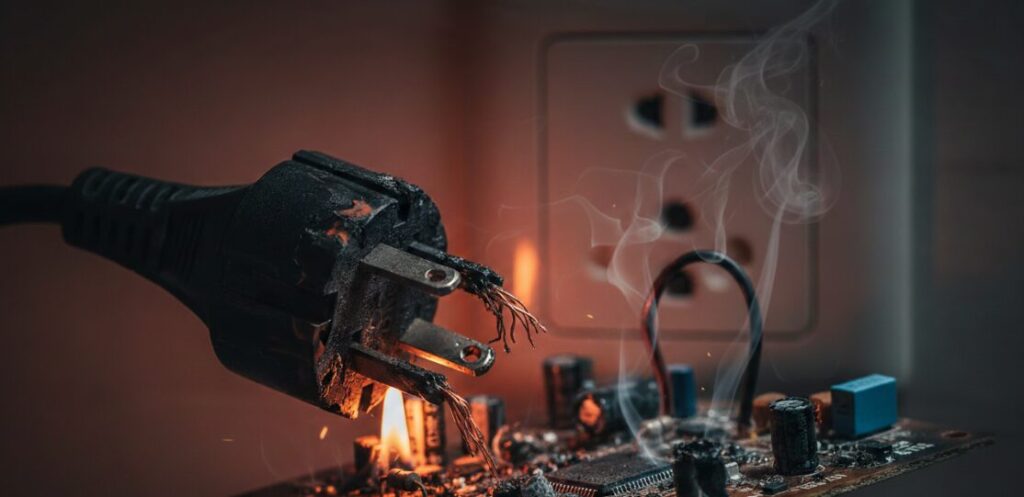
The risk of ignoring these standards is very serious. When a 110V device is forced to draw 240V current, the excess energy will produce instantaneous thermal stress.
To bridge the gap caused by these non-universal sockets, you have to choose the right equipment:
Author: Alex Thorne
I’ve spent my career helping travelers and electronics enthusiasts navigate the complex maze of global power grids. Having worked in over 60 countries, I’ve seen firsthand the ‘devastating’ results of mismatched voltages and wrong adapters. My mission is to ensure that your high-end gadgets stay powered and protected, no matter what shape the wall outlet takes.
Pourquoi le câble SWA de 2,5 mm² est le meilleur choix pour l'alimentation électrique en extérieur. Assurer la sécurité, la durabilité et des performances optimales.
Voir les détails
Découvrez la meilleure façon de protéger les prises extérieures à l'aide d'un disjoncteur de fuite à la terre, de couvertures étanches à l'usage et de conseils d'étanchéité en silicone.
Voir les détails
Apprenez pourquoi les prises de courant s'usent, comment repérer les risques d'incendie tels que la chaleur ou les étincelles, et quand remplacer les prises de courant de votre maison.
Voir les détails
Découvrez pourquoi les prises “à l'envers” avec la broche de terre vers le haut évitent les courts-circuits et sont la norme dans les sites médicaux et industriels.
Voir les détails
BonjourVeuillez vous connecter