 datong


16A Industrial Plug And Socket
Choosing a 16A industrial plug and socket should never be limited to the unit price. The key points are whether it meets the IEC 60309 international standard, whether the IP protection level is selected correctly, and whether the shell material is flame retardant and corrosion-resistant engineering plastic or high-strength nylon. Only by doing these homework well can we avoid failures and save a lot of maintenance costs in the future. The core of a reliable 16A industrial connection solution lies in a stable and vibration-resistant structure, accurate pin configuration, and authoritative security certification.
The Cornerstone Of Stability
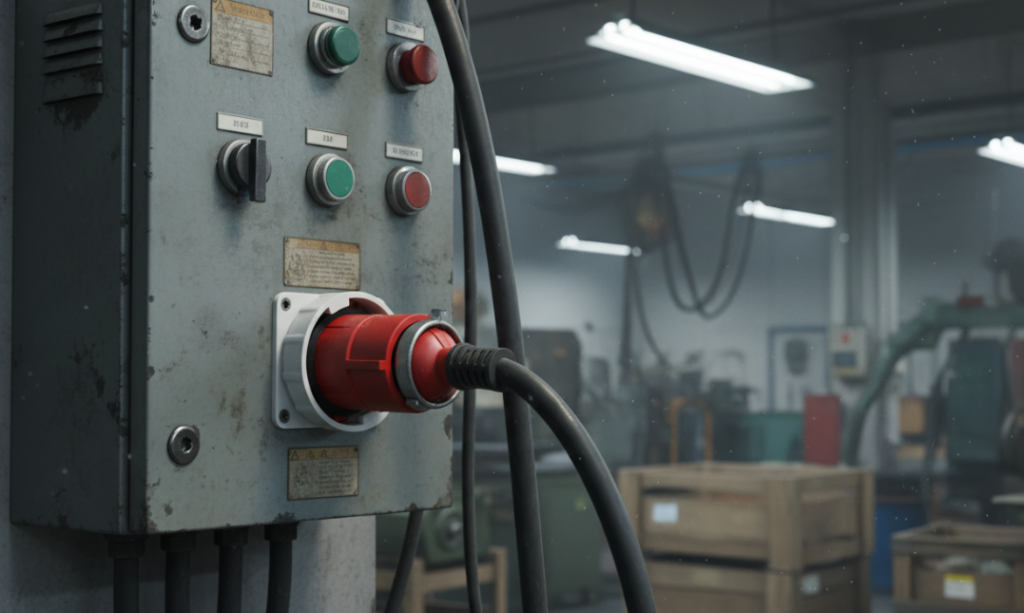
The difference between ordinary plugs and industrial-grade connectors is actually due to these international standards. As long as you choose a 16A industrial plug socket that complies with the IEC 60309 standard, global compatibility is basically stable and performance is more predictable. This set of standards not only specifies dimensions and pin layout, but more importantly it requires passing rigorous temperature rise, insulation resistance and mechanical strength tests. If you can directly check these certification qualifications, it will actually eliminate potential electrical safety hazards inside the factory. This is the best way to spend money.
Dealing With Environmental Challenges: The Game Of IP Protection Levels
When choosing a 16A power connector, determining the IP rating is almost the most critical step in the technical decision.
- IP44 Protection: This specification is mainly for situations where there will be water splashing or debris interference. I usually recommend this level for a regular indoor factory floor or sheltered service area, as it solves the splash problem and offers good value for money.
- IP67 Protection: Sealing IP67 is essential in “hard-core” environments —such as outdoor renewable energy projects, construction sites, or chemical treatment plants—. It can be completely dustproof, and even if it is occasionally soaked in water for a short time or faces high-pressure flushing, the connection is still as stable as Mount Tai.
Material Quality
The life of an electrical system often depends on the poor quality of the enclosure material. If the materials are not suitable, they will become brittle when exposed to ultraviolet rays, crack when subjected to some mechanical pressure, and even deform directly when exposed to high temperatures. I have seen this kind of thing many times on site. High-performance engineering plastics or high-strength nylon shells are designed to combat these environmental pressures. All you have to do is look at the two hard metrics of “flame retardancy” and “corrosion resistance” when purchasing, essentially reducing subsequent operating expenses. A set of components with strong materials can greatly reduce the frequency of replacement and avoid production losses caused by connector failure. This is actually a good calculation.
Interface Connection And Configuration
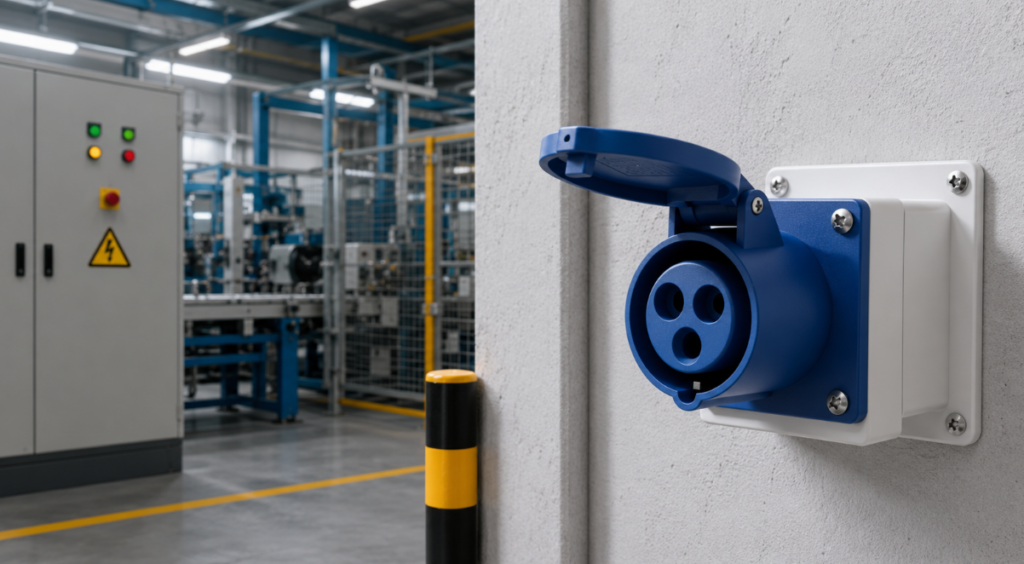
The role of the 16 A industrial plug socket is not just to conduct electricity, it must be a solid, vibration-resistant connection point. If the plug is not stable enough, it will loosen over time, which will cause arcing and even fire. High-quality products tend to put effort into the pin precision and locking mechanism to ensure constant contact pressure.
Avoid Downtime Risks Through Strategic Sourcing
In industry, the only measure of a component’s cost is its performance throughout its life cycle. As long as you control the intersection of safety certification, environmental adaptability and material stability, you are actually protecting your capital investment in production equipment. The logic is simple: align the procurement strategy with the real operating needs of the plant. When you choose a product that meets these technical guidelines, you no longer buy just a simple plug, but the guarantee to ensure the stable, safe and efficient operation of factory power, which is the source of support for the company’s continuous production.
Author: Alex Sterling
My daily life revolves around site-specific power distribution, where I bridge the gap between complex engineering requirements and practical procurement needs. I have seen firsthand how the right electrical components can prevent downtime and ensure safety in the most demanding industrial environments. I share my field experience to help procurement professionals and engineers make informed, high-reliability choices for their facility infrastructure.