 datong


Are Plugs Waterproof
Ordinary household plugs are not waterproof at all. In industry, construction sites or any complex outdoor project, these civilian equipment does not have a matching seal or waterproof structure, once the moisture enters, the short circuit is almost inevitable. If you want to ensure safe operation in a humid environment, and directly go to industrial-grade plugs and sockets with IP grade (such as IP65, IP66 or IP67). These heavy-duty components are specially designed for rainwater, high-pressure water gun flushing and even short-term immersion. They strictly comply with IEC standards and can still stabilize the power supply under harsh conditions.
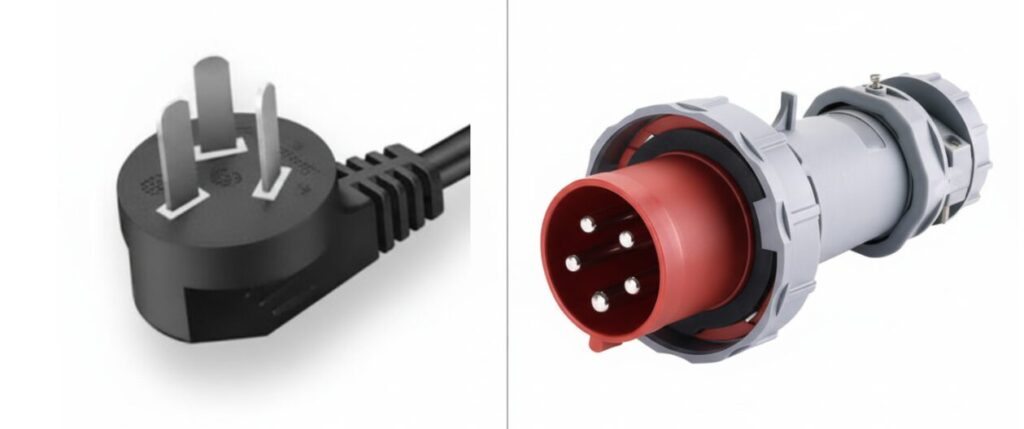
Why Ordinary Plugs Can Break In Humid Environments
Many people have a misunderstanding, think the shell is hard plastic material can prevent water. In fact, common household plugs are connected by friction only, and there is no blocking mechanism inside. Moisture, fog and even condensation can crawl along the cable into the plug. Once water seeps into the housing, a conductive path is formed, followed by arc splashing, rapid corrosion of internal metal terminals, and often a catastrophic short circuit.
Risks Of Using Non-Waterproof Connectors
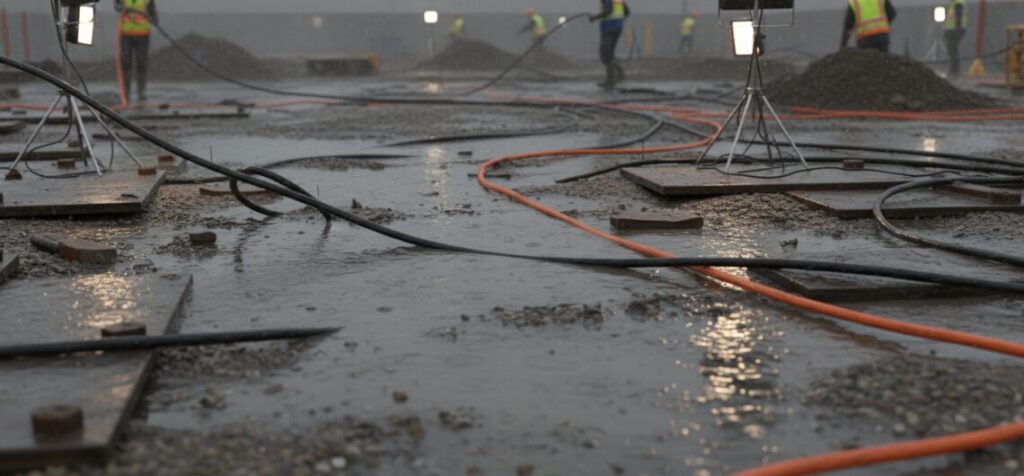
Ignore waterproof connection, the consequences are usually very serious. I have seen many tragedies caused by this detail:
- Electric shock accident: water infiltration will make the current leak to the shell, the plug directly becomes a live hidden danger.
- Fire hazard: even a small leakage, a long time will produce heat accumulation, enough to melt the plastic shell or ignite the surrounding dry debris.
- Expensive downtime loss: At the project site, the loss of construction period and equipment cost is much more expensive than buying several industrial plugs because a joint is hung up and the tool is tripped or even scrapped.
Choosing The Right IP Level Solution
In order to avoid risks, we must value the IP(Ingress Protection) protection level. When purchasing equipment, you have to know these standards by heart:
- IP65: Dust-proof and can resist jet water, suitable for general outdoor rain environment.
- IP66: Can resist strong water spray, which is standard for those venues that need to be washed frequently with water pipes.
- IP67: It can be soaked in water for a short time. If there is water on the site or the risk of flooding, this must be selected.
Unlike ordinary plugs, these industrial-grade components are sealed by compression seals, threaded locking rings and heavy-duty rubber gaskets. Don’t forget, when used together, the plug and socket must maintain the same IP rating, otherwise it is all in vain.
Safety Always Comes Before Convenience.
Ordinary plugs are only suitable for indoor use in climate-controlled environments, and when it comes to outdoor or industrial environments, they are simply not enough to see. Investing in hardware that meets the IP level is not only to comply with safety regulations, but also to protect your expensive equipment. This is the minimum guarantee for the life safety of all personnel on site.
Author: Alex Rivers
I am a veteran Electrical Safety Consultant with over 12 years of experience in industrial facility management and high-voltage infrastructure. Throughout my career, I have specialized in assessing electrical hazards in extreme environments and helping firms implement NEC and IEC-compliant solutions.