 datong


How Many Volts Is A Wall Socket
Your geographical location directly determines the output specifications of the wall socket: usually not 110V-120V, but 220V-240V alternating current (AC).
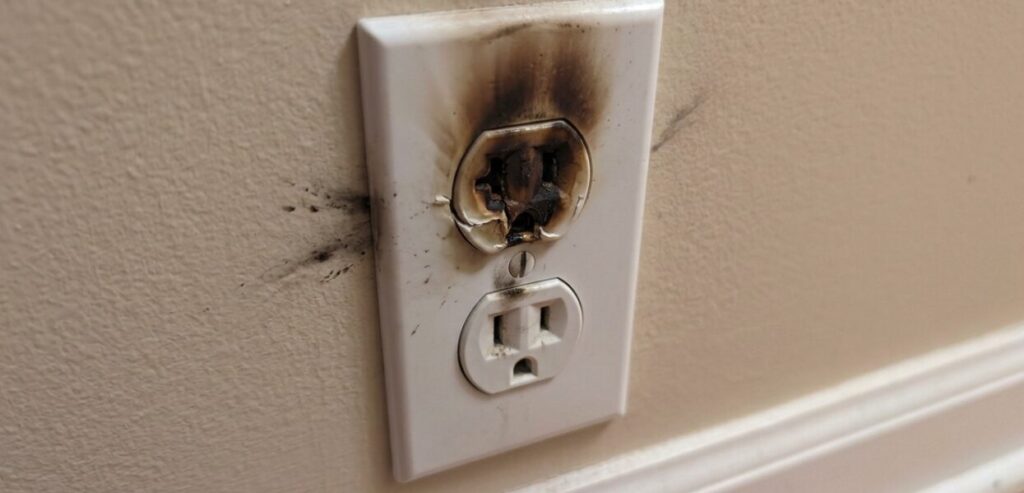
In North and Central America, as well as parts of Japan, the standard voltage is usually set at 120 volts, a frequency of 60 Hz, and is equipped with a specific NEMA plug. In contrast, most of Europe, Asia, Africa and Australia operate at higher frequencies of 230 volts, 50 Hz, following IEC standards. Although many consumer electronic products (such as laptops) are now designed with “wide voltage”, if a single-voltage device is rashly connected to the wrong socket without a transformer, the device will be instantly scrapped at best, and a fire will occur at worst due to severe voltage fluctuations.
Understanding the Global Voltage Standard
When we analyze how many volts a socket actually has, the world is essentially divided into two major technology camps. The North American standard (120V) and the international standard (230V) represent not only numerical differences, but also different philosophies in electrical engineering and infrastructure construction. This means that machines designed for the US market should never be plugged directly into factory outlets in Germany or China unless you have a dedicated power supply solution in place.
The 120V/60Hz systems commonly used in the Americas are often designed with the idea that lower voltages are safer in home environments, but at the expense of thicker wires to carry the high currents (amperes) required by high-power appliances. In contrast, the 230V/50Hz system used in most parts of the world is more efficient in long-distance power transmission. It has long been the backbone of global industrial standards, especially in areas regulated by the International Electrotechnical Commission (IEC).
Frequency (Hz) And Plug Standards Cannot Be Ignored
In addition to voltage itself, frequency (measured in Hertz) also has an astonishing impact on device performance. 60Hz is usually used in 120V areas, while 50Hz is used in 230V areas. This difference is particularly sensitive in industrial machinery and renewable energy systems. A motor designed for 60Hz will run slowly on a 50Hz outlet, and even if you get the voltage right, it may burn out due to overheating.
Furthermore, the physical connection —that is, the plug type— is the first line of defense for safety. The NEMA standard plugs used in North America are not physically compatible with the IEC standard sockets used in industrial sites in Europe or Asia. For professional distributors and global machinery exporters, ensuring that industrial-grade connection points (such as high-amp sockets and plugs) are exactly matched with local voltage and frequency standards is the bottom line for ensuring equipment uptime, which is not negotiable.
Single Voltage Risk In Professional Environments
While things like mobile phone chargers have switching power supplies that automatically switch voltage, high-capacity industrial equipment and professional tools are typically “single-voltage”. This sows a huge safety hazard for cross-border operations.
If a worker pokes an industrial tool rated at 110V directly into a 230V wall socket, the excessive voltage will instantly penetrate the internal components, which will most likely cause the circuit to “burn out” or cause an electrical fire. Conversely, connecting a 230V device to a 120V socket will cause the device to show serious performance deficiencies or even fail to start at all, which will also damage the sensitive electronic controller. On industrial sites such as construction sites or energy facilities, these voltage fluctuations are not just “causing trouble”. They are a major safety hazard and can directly lead to expensive shutdown losses and asset scrapping.
Safety First: Ensuring Exact Match
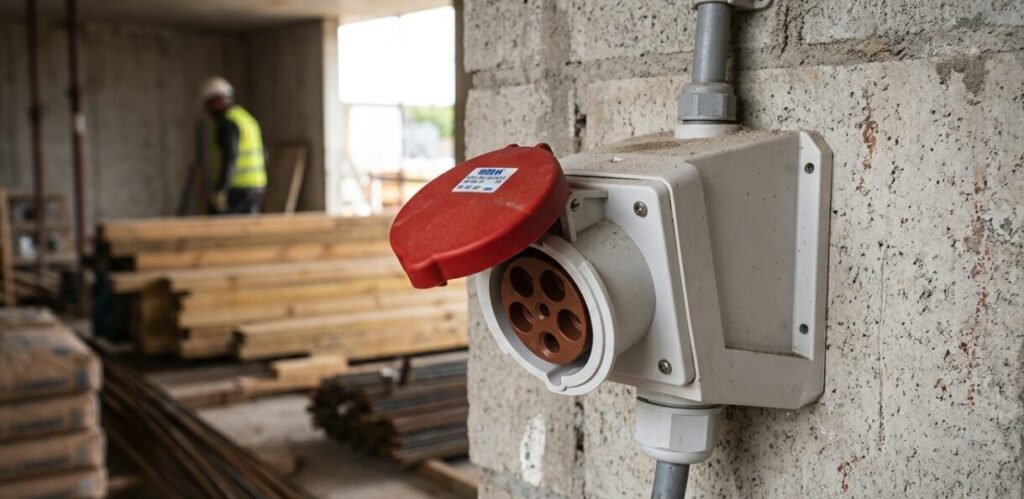
In summary, figuring out how many volts a wall outlet is is the first step to ensuring electricity safety and the life of your equipment. Verifying the voltage and frequency of the local grid before equipment is deployed is a hard task that must be accomplished for those managing a global equipment fleet or distributing specialized electrical hardware. Use high-quality industrial plugs and sockets that meet standards to ensure a secure and secure connection, which is the only way to protect against the risks of voltage mismatches, protect the hardware, and protect the operator.
Author: Marcus Chen
“I’m a senior electrical engineer with over 11 years of experience managing large-scale industrial projects across six continents. My career has been dedicated to bridging the gap between international power standards and equipment reliability. I specialize in helping global enterprises navigate voltage complexities and frequency variations to ensure operational safety, maintain maximum uptime, and prevent costly asset loss.”