 datong


Combien y a-t-il de tailles de douilles ?
En réponse à la question “combien y a-t-il de spécifications pour les prises ?”, je dois donner une conclusion claire : il n'y a pas de “nombre total fixe” de prises industrielles. Il ne s'agit pas d'une simple liste de dimensions, mais d'une matrice basée sur la norme internationale IEC 60309, qui se compose du courant nominal, du nombre de pôles et du code couleur de la tension. Pour l'équipe chargée des achats, ce n'est qu'en comprenant cette logique matricielle que l'on peut réellement garantir la compatibilité des produits avec les exigences des équipements, les niveaux de protection et les réseaux électriques partout dans le monde.
Cadre de la CEI 60309
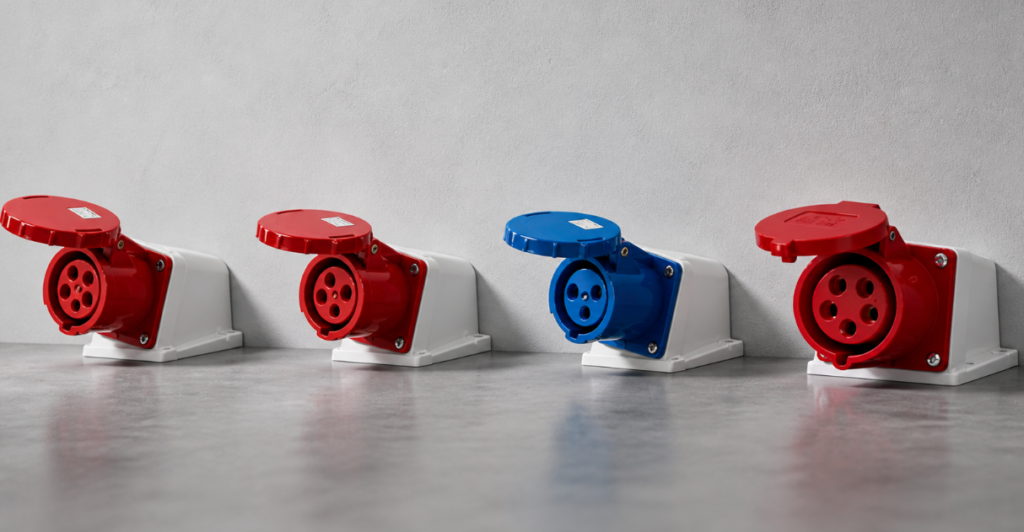
Dans le domaine de l'électricité industrielle, il est essentiel d'abandonner l'idée qu'il suffit d'acheter un modèle commun pour les prises civiles. Les spécifications physiques des prises industrielles sont définies par une série de normes internationales strictes.
Lorsque vous évaluez les spécifications des prises requises pour votre projet, vous travaillez en fait sur une matrice de sélection selon la norme CEI 60309. Cette norme est synonyme de polyvalence : tant qu'elle est conforme aux spécifications, une prise 63A à 5 broches peut être associée mécaniquement à la fiche correspondante n'importe où, quel que soit le fabricant de la prise. Tant que la tension et la fréquence sont correctes, vous n'avez pas à vous soucier de la compatibilité lors des opérations de maintenance ultérieures.
Analyse des trois éléments fondamentaux des spécifications des sockets
Afin de simplifier le processus d'achat, je vous suggère de vous concentrer uniquement sur ces trois aspects techniques lorsque vous examinez les prises industrielles :
Le niveau de courant est le principal facteur déterminant la taille physique de la prise. Qu'il s'agisse d'un équipement conventionnel de 16 ou 32 A, d'une machine lourde ou d'un équipement énergétique de 63 ou 125 A, lorsque la demande de courant augmente, le boîtier de la prise doit être agrandi en conséquence. Il s'agit non seulement d'une question d'espace, mais aussi d'accueillir des câbles plus épais, d'assurer une bonne dissipation de la chaleur et de prévenir les défauts d'arc électrique.
Le nombre de pôles de la prise détermine la configuration de phase souhaitée pour la machine. 3P est généralement utilisé pour une alimentation monophasée, tandis que 4P et 5P correspondent à des systèmes d'alimentation triphasés. Une fois le mauvais nombre de pôles sélectionné, l'empreinte physique de la prise ne sera pas correcte du tout, et le réglage ultérieur sera très difficile.
Le codage couleur imposé par les normes internationales est la dernière pièce du “puzzle des spécifications”. En distinguant les couleurs - jaune, bleu (230 V) et rouge (400 V) - le système crée un mécanisme de verrouillage physique. Cela signifie qu'une fiche conçue pour une tension donnée ne peut pas se brancher physiquement sur une prise 1 d'une autre tension. Cela permet de réduire considérablement le risque de sécurité causé par une mauvaise manipulation humaine dans la construction sur le terrain.
Conseil stratégique
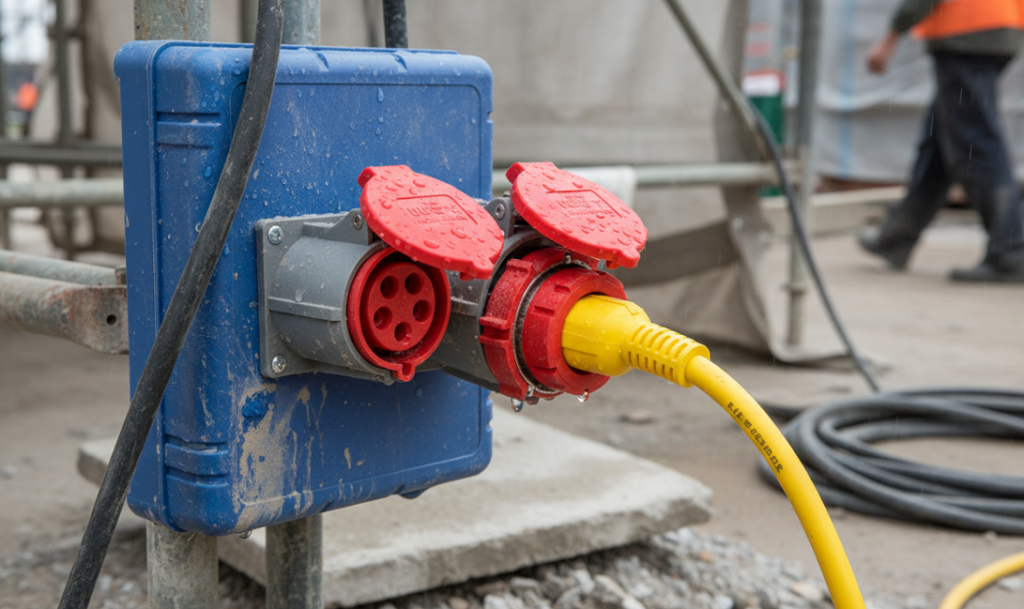
Nombreux sont ceux qui se posent la question de savoir “combien de spécifications il y a”. En fait, tant qu'ils reviennent aux besoins du projet lui-même, la réponse sera naturellement claire. Ne vous préoccupez pas du nombre total de spécifications, mais concentrez-vous sur ces points :
- Niveau de protection : Outre les performances électriques, elles dépendent également de l'environnement. En raison de l'étanchéité de la structure, la conception de la coque et l'apparence de la prise seront inévitablement différentes, notamment en ce qui concerne le niveau de protection IP67.
- Compatibilité avec la grille : Veiller à ce que la configuration choisie soit conforme aux normes régionales du marché cible en matière de réseau, en utilisant un système de code couleur pour maintenir la conformité en matière de sécurité.
- Évolutivité globale : Si votre équipement doit être exporté dans le monde entier, le fait d'opter pour des produits conformes aux normes strictes de la CEI 60309 garantira que votre équipement aura un accès aisé à l'infrastructure électrique locale, quel que soit l'endroit où il est expédié.
Auteur : Marcus Thorne
Ayant passé ma carrière à résoudre des problèmes complexes de distribution d'énergie dans le cadre de projets d'énergie renouvelable et de fabrication à grande échelle, je suis spécialisé dans la normalisation internationale afin de garantir la sécurité et l'interopérabilité des équipements. Cet article a pour but de simplifier les complexités techniques pour les responsables des achats et de les aider à construire des systèmes électriques industriels plus résistants et conformes.