 datong


What Is The Third Prong On A Plug For
25The Ground Pin Is Your Electrical “Escape Door.” Learn How It Prevents Shocks And Fires In Home And Industrial Use.
View detailsSearch the whole station
To answer the primary concern for those worried about health and radiation: Yes, it is generally safe to sleep next to a wall plug socket. Standard household sockets produce a non-ionizing electromagnetic field (EMF) of extremely low intensity, well within the scope of international safety guidelines. The strength of the magnetic field generated by the socket follows the “inverse square law”, which means that if the distance increases, the strength will decrease exponentially. As long as your head is 30 to 60cm away from the socket, the exposure is basically the same as the background environment, almost negligible.
Instead of worrying about the little radiation, we should focus on the hidden dangers that are really fatal but often ignored: such as loose wiring, overheating of mobile phone chargers, or using inferior plug-in that does not even have basic overload protection.

We have to distinguish between ionizing radiation (such as X-rays) and non-ionizing electromagnetic fields generated by household appliances. Ordinary household wall sockets operate at very low frequencies (usually 50-60Hz). The electromagnetic field produced at this frequency is very weak. Magnetic field strength decays rapidly with distance. For most people, the distance between the pillow and the wall socket has already exceeded the safety margin, and the radiation risk is almost non-existent in real life.
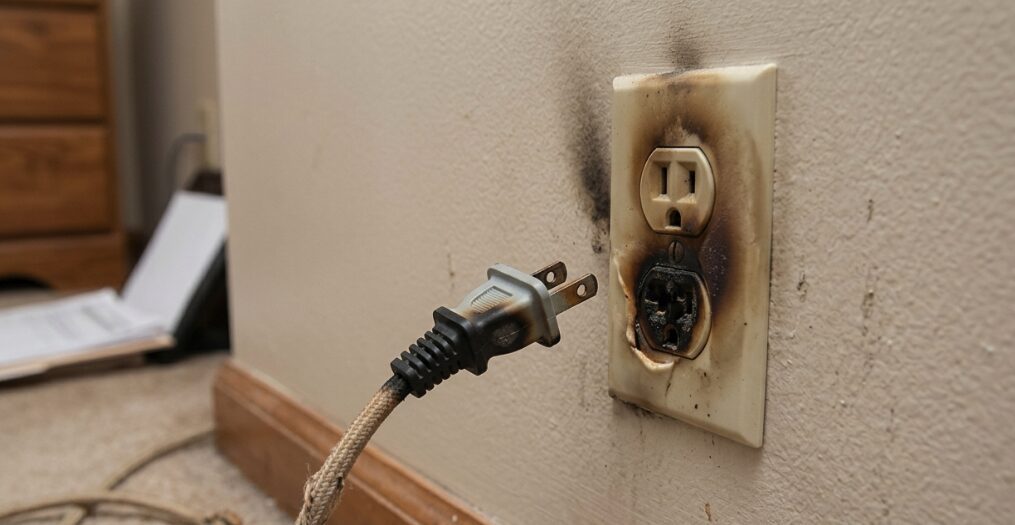
The real security threat stems from the physical condition of the socket itself and the equipment plugged into it. Electrical fires are far more lethal than EMF.
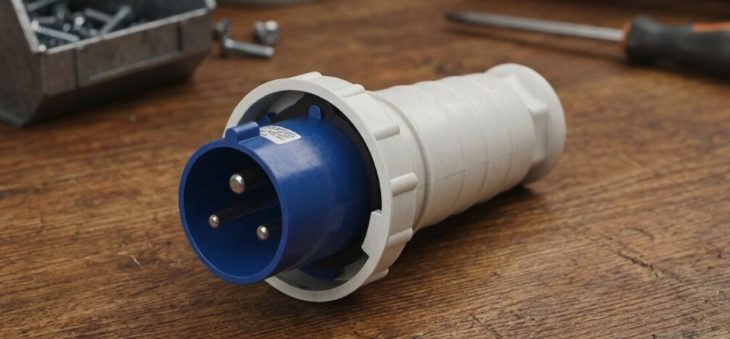
To really address safety concerns, you have to look at the quality of those electrical hardware. The standards of leading companies such as DTCEE are worth referring to. They implant safety logic directly into materials.
High-quality wall sockets, such as those made of high-grade polycarbonate (PC) materials, have excellent flame retardant properties. This means that even if there is an internal failure to generate high temperatures, the socket housing will not catch fire or support combustion. When I am doing a bedroom circuit audit for a client, the first thing I do is to check whether the socket meets international fire safety standards.
Safety is not only about the socket itself, but also about how you use the space around it:
As long as your circuit installation is standardized and the equipment used is of excellent quality, it is 100% safe to sleep next to the socket. The “radiation” produced by the socket is too weak to have any substantial impact on human health at normal sleep distances. Your real focus should be on fire prevention. Invest in some high-quality, flame-retardant sockets like those recommended on the DTCEE professional platform, and ensure that the charging cable is in good condition, so you can sleep soundly.
Author: David Harris
Hi, I’m a certified electrical safety auditor and circuit specialist. With years of experience inspecting residential wiring and dealing with electrical failure sites, I’ve seen firsthand what truly causes household hazards. Whether it’s choosing high-quality flame-retardant materials or optimizing bedroom layouts, I am passionate about ensuring your home environment is 100% safe and secure.

The Ground Pin Is Your Electrical “Escape Door.” Learn How It Prevents Shocks And Fires In Home And Industrial Use.
View details
Learn Why Live Socket Panel Replacement Is Dangerous. Follow Our Expert Safety Guide And Choose Industrial-Grade Covers.
View details
Learn The 80% Rule For 15A/20A Sockets To Avoid Circuit Overloads And Protect Your Home From Electrical Fires.
View details
Stop Using Socket Covers. Learn Why These “Safety” Tools Cause Fires And Damage Your Home’S Electrical System.
View details
HelloPlease log in