 datong


What Is The Third Prong On A Plug For
25The Ground Pin Is Your Electrical “Escape Door.” Learn How It Prevents Shocks And Fires In Home And Industrial Use.
View detailsSearch the whole station
The simple and direct answer is: no, the socket should never be “got hot”.
When dealing with high-power appliances (such as mobile heaters or high-power hair dryers), it is normal for the socket to feel slightly warm (slightly higher than room temperature) due to the normal resistance effect. I must seriously remind: once you feel obvious scorching heat, smell burnt smell, or see the socket change color, this is definitely the critical signal of fire.
If the socket is hot enough to make you feel uncomfortable, it usually indicates that there is a big problem with the underlying circuit, such as loose wiring inside the wall box, circuit overload, or the aging of internal components and loss of conductivity. In order to save your life, you should immediately unplug the electrical appliance, turn off the circuit breaker, and completely disable the socket before the professional checks.
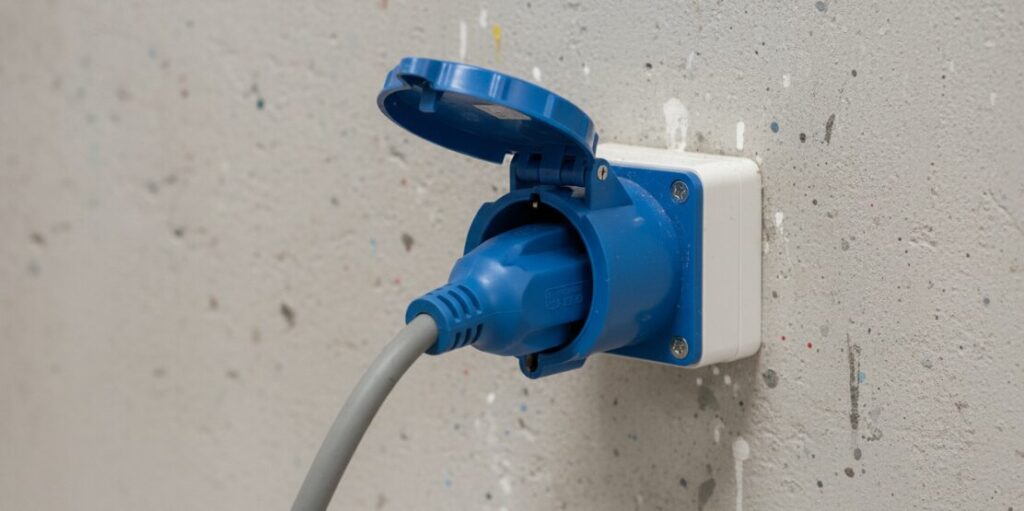
In electrical engineering, heat is a by-product of electrical resistance. When current passes through a conductor, a small part of the energy is inevitably converted into heat. This is why a slight temperature rise is to be expected when running those high-performance devices that DTCEE often discusses.
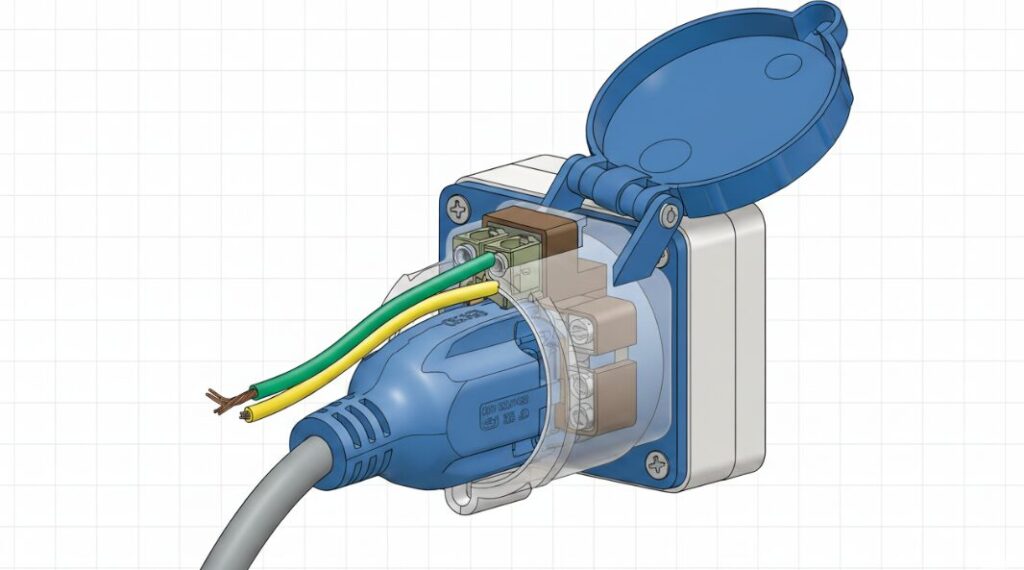
It is important to understand the root cause to maintain the safety of electricity. Based on standard safety guidelines, there are usually 3 main reasons for the socket to leap from “warm” to “extremely dangerous”:
1. Loose internal wiring
Inside the wall box, the wires are fixed to the socket terminals by screws. Over time, these connections may become loose due to thermal expansion and contraction or building vibration. Loose wiring can increase resistance and cause “arcing”—that is, the current jumps between the gaps. The high temperature generated by this arc is sufficient to momentarily melt the internal structure of the socket.
2. Circuit overload
Each circuit has its maximum current carrying capacity. When too many high-power devices are plugged into the same power point (especially through the kind of “nesting” connection), the current demand will exceed the capacity of the wires. This leads to continuous heat accumulation throughout the circuit, and the socket interface is often the most obvious place.
3. Aging of internal components
Electrical components are not immortal. After years of plugging and unplugging, the brass or bronze contact piece inside the socket will lose its elasticity (reduced conductivity). When the physical bite force between the plug and the socket becomes weak, this poor contact will produce local “hot spots”, even if the power of the electrical appliance you are connected to is not large, it may burn up.
If you notice any of the following, your electrical system is on the verge of collapse:
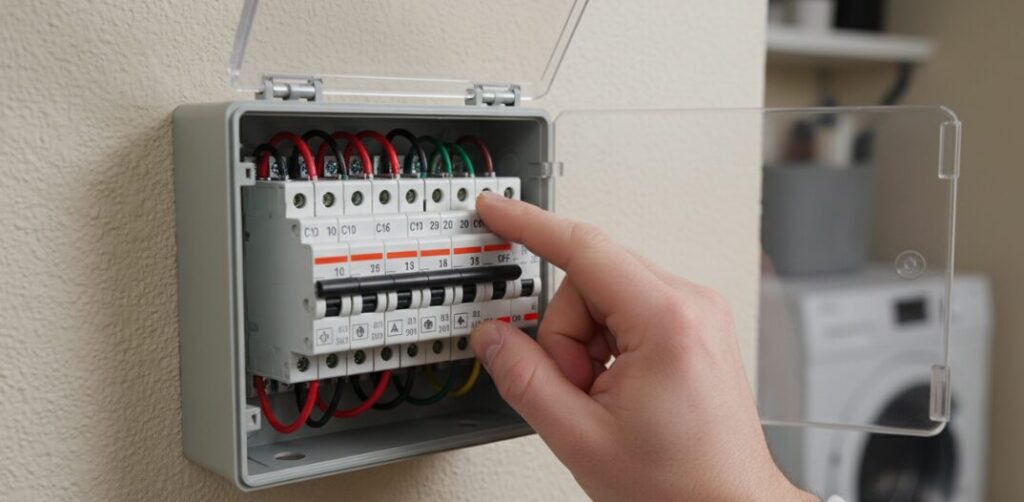
If you touch a hot socket, strictly follow these steps to reduce the risk of fire:
Although modern power systems are designed to be tough enough to withstand huge loads, “heat” is always the natural enemy of safety. A hot socket is the final warning from the system. Learning to distinguish between normal operating temperature rise and dangerous temperature surge is your basic skill to protect real estate and life safety.
Author: David Steve
“I am an electrical safety consultant with years of experience investigating and managing various electrical accidents. Working closely with industry experts like DTCEE, I have dedicated my career to identifying hidden circuit hazards before they turn into catastrophes. My goal is to use my hands-on experience to help homeowners distinguish between normal resistance warmth and life-threatening electrical failures, ensuring that your property and family remain safe from preventable fires.”

The Ground Pin Is Your Electrical “Escape Door.” Learn How It Prevents Shocks And Fires In Home And Industrial Use.
View details
Is Sleeping Next To A Wall Socket Safe? EMF Is Harmless, But Electrical Fires Aren’t. Read Our Bedside Safety Guide.
View details
Discover The Critical Differences Between Industrial Sockets And Household Outlets. Why Reliability And IEC 60309 Matter.
View details
Discover The Best Way To Protect Outdoor Outlets Using GFCI, In-Use Waterproof Covers, And Pro Silicone Sealing Tips.
View details
HelloPlease log in