 datong


How Many Types Of Socket
4Explore The 15 Household Plug Types (A-O) And Learn How IEC 60309 Industrial Sockets Power Heavy Machinery Safely.
View detailsSearch the whole station
The plug and socket system is a two-piece electrical connector assembly. Its core task is to build a safe and reliable bridge between power sources and equipment, whether temporarily powered or permanently fixed. The plug has conductive prongs and is wrapped in a solid shell; the corresponding socket is the fixed end, and the contacts inside are always ready to receive the prongs of the plug, thus closing the entire circuit. It is too critical to understand the relationship between these two components. You have to make sure the power doesn’t go out of the way, which requires that the voltage, current (from ordinary civilian to heavily loaded 63A or even 125A), and grounding must all be tightly closed. Once misaligned, an equipment strike is considered minor, and a short circuit or even a fire is no joke. Especially when selecting cross-border machinery or renewable energy infrastructure with extremely high loads, there is absolutely no need to discuss the two points of environmental protection and electrical stability.
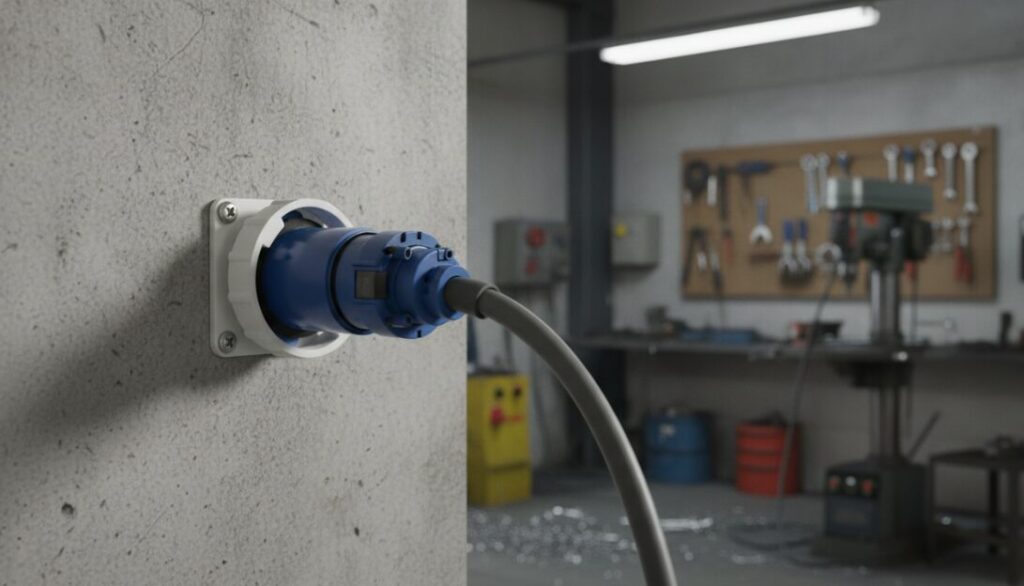
To really understand what plugs and sockets are, you have to look into their mechanical and electrical structure. After spending a long time on an industrial site, you will know that these things are by no means just simple “power ports”, they are reliability interfaces that are hard-fabricated through precision engineering.
To measure whether a plug and socket system is effective, technical parameters are the touchstone that distinguishes ordinary household goods from industrial-grade hard-core equipment.
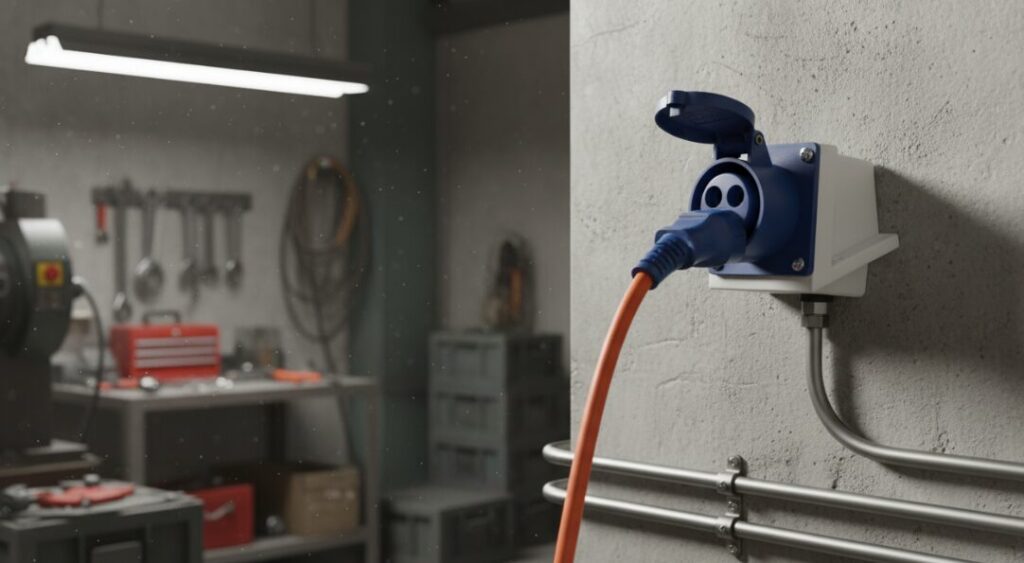
Applying the logic of plugs and sockets to high-input industries such as renewable energy and global manufacturing, its importance is completely exposed.
Conductivity aside, the “shell” of a plug and socket is actually a defensive shield. In industrial circles, these components deal with dust, water vapor and various chemicals every day. High-quality systems are made of special materials, as shown in the following points:
In short, plugs and sockets are the key links in any electrical circuit, and proper electricity access. Selecting these components basically frames the safety bottom line and operating efficiency of the entire plate. Whether you are dealing with conventional power supply planning or the heavy-load requirements of 63A/125A like hard-core new energy, putting technical matching and environmental tolerance first is the only solution to ensure that the equipment does not have problems for a long time.
Author: Alex Sterling
I’m a senior electrical infrastructure consultant with over 12 years of hands-on experience in global industrial procurement and site engineering. Having spent countless hours on project sites—from renewable energy installations to heavy manufacturing plants—I understand that the reliability of a large-scale project often hinges on the smallest components. I am dedicated to bridging the gap between complex technical specifications and practical, safety-first procurement decisions to ensure that every electrical connection is built to last.

Explore The 15 Household Plug Types (A-O) And Learn How IEC 60309 Industrial Sockets Power Heavy Machinery Safely.
View details
Learn Why “Upside Down” Sockets With The Ground Pin Up Prevent Short Circuits And Are Standard In Medical And Industrial Sites.
View details
Discover The Best Way To Protect Outdoor Outlets Using GFCI, In-Use Waterproof Covers, And Pro Silicone Sealing Tips.
View details
Explore Global Socket Types, Voltages, And Safety Standards Like UL/CE To Ensure Secure Electrical Infrastructure.
View details
HelloPlease log in