 datong


Should You Caulk Around Plug Sockets
My standard answer is always: Absolutely not. Never apply silicone or acrylic sealant directly around junction boxes, inside outlets, or under panels.
Many ordinary sealants are flammable, and will also cause condensation and condensation inside the socket, which will cause a short circuit. Not to mention that this makes future maintenance and security checks almost impossible. If you’re just trying to deal with cold drafts leaking from outlets in your average home, the only method approved in the code is to use pre-cut foam sealants. But if we evaluate industrial sites, heavy machinery and equipment, or outdoor projects with harsh environments, the temporary solution of just gluing them off must be completely abandoned. The only way to comply and use it for a long time is to directly upgrade to a high-IP-grade (such as IP67) heavy-duty socket with its own dust and water resistance, equipped with a dedicated weatherproof shell.
A Major Hidden Danger Inside
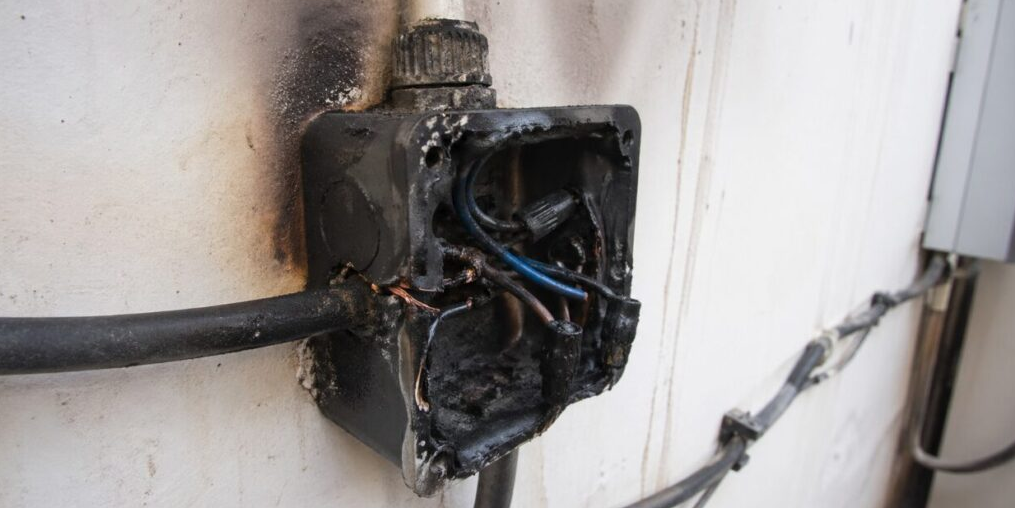
For example, the National Electrical Code (NEC) of the United States has extremely strict regulations on the installation and maintenance of electrical components, and its original purpose is to prevent fire. Breaking liquid sealant into the junction box or applying it around it is a direct violation.
Sockets must get hot when working, especially in industrial sites that are connected to heavy machinery and have extremely high current loads. When junction boxes and wall panels were first designed, they were designed with a margin to allow these normal working heat to be dissipated into the wall cavity or ambient air. You’re sealing its vents completely with a dozen glue. If the heat cannot be dissipated, it will accumulate higher and higher. Over time, it will directly accelerate the aging of the wire insulation and is very likely to cause fire. What was originally just a way to block a draft “clever thing” will soon become a catastrophic failure point.
Flammability And Risk Of Condensation Condensation
Besides heat dissipation issues, the chemical properties of ordinary sealants are themselves a mine for electrical systems. Many of the acrylic and ordinary silicone you can buy on the market are flammable. Getting combustible material next to live contacts is an absolutely extremely serious oversight in safety management.
Once the socket is sealed tightly with glue, the “microclimate” inside the junction box changes. The temperature difference between inside and outside the wall is very likely to produce water vapor. If there is no air flow to carry away this moisture, condensation will stuff inside the socket. Once these accumulated water is connected to the electrical contacts, it will directly cause short circuits, burn out equipment, and even cause electric shock accidents.
Lay up trouble fo Future Maintenance
Electrical systems must be regularly inspected for safety, cleared, and maintained. When liquid glue cures around junction boxes, inside sockets, or under panels, it becomes a dead rubber wall.
Imagine that in the future, electricians need to replace broken switches, check down the wiring, or measure the voltage, and they can only use knives to cut and pick at the hardened rubber. This kind of work is not only extremely time-consuming and labor-intensive, but also fatal. If you use metal tools to remove silicone next to fragile wires, you will accidentally scratch the insulation layer and even scrap the junction box.
Code-Conforming Alternatives
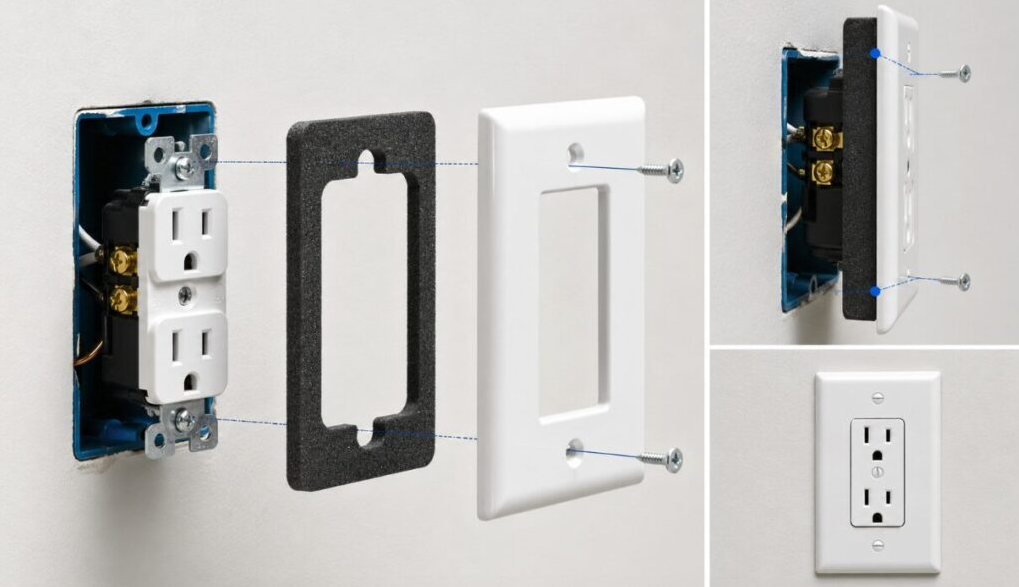
If your primary goal is to solve the problem of cold air leaking from the walls of your home or office, there is really no need to use a glue gun. according to the code, the only solution for safety compliance is the use of pre-cut foam gaskets.
This foam mat is cheap and shaped just to fit the socket panel, just between the socket device and the plastic panel. It can strictly block air leakage without invading the interior of the junction box, does not affect heat dissipation, and is also a matter of screwing in future maintenance and disassembly.
Industry And Harsh Environment
At the global heavy machinery site, or in new energy infrastructure projects such as solar and wind power, the intrusion of water vapor and dust is a vicious threat all day long.
In these high-intensity environments, whether it is temporary gluing or applying foam strips, they must all be abandoned. Industrial facilities often have extremely high power supply needs and can easily handle high currents of 63A or even 125A. At this voltage and current level, heat generation is extremely exaggerated, and the tolerance for water vapor and dust is absolutely zero. Trying to use glue to provide so-called “all-weather protection” for ordinary sockets on commercial or industrial sites is not only a violation, but also it will lead to unplanned machine shutdowns, electrical fires, and directly threaten the lives of on-site workers.
A Solution Once And For All
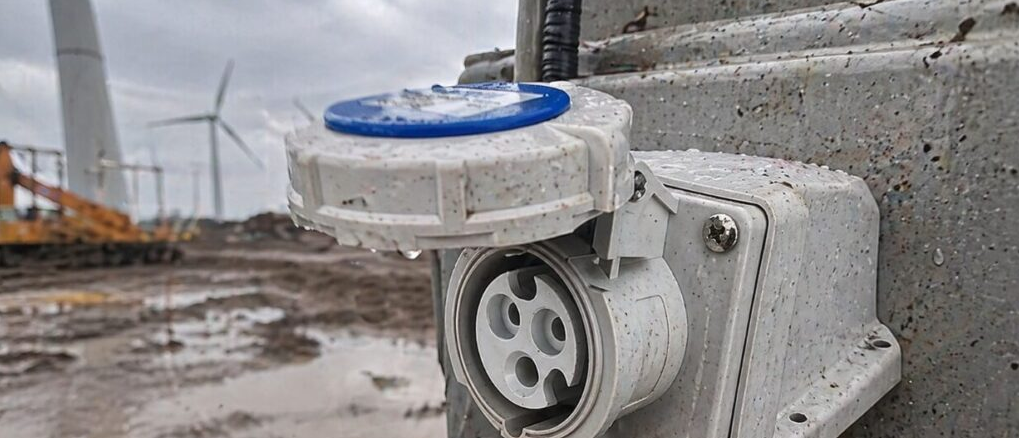
If you are responsible for ensuring power connections outdoors, on construction sites, or in high-load manufacturing workshops, the only long-term compliant solution is to upgrade the hardware.
Don’t always think about how to seal off a regular outlet; you’ll have to invest in heavy-duty industrial outlets that are inherently dust and water resistant. These professional gadgets are designed from the bottom layer to be hard-resistant to harsh environments, and there is no need to use any sealant in the later stage.
When selecting reliable industrial power supply models, identify these hard indicators:
Dedicated weatherproof housing: Professional industrial sockets come with a sturdy heavy-duty housing that naturally isolates the external environment while ensuring a safe operating temperature inside.vironment.
High IP protection rating: IP67 means that the plug and socket are completely dustproof when connected and can withstand short-term water immersion tests.
Author: Mark Stevens
My career has been defined by a focus on high-performance distribution systems and uncompromising safety standards. I write to help homeowners and industrial professionals understand the technical limits of their electrical gear, ensuring that every installation remains safe, reliable, and efficient—no matter how harsh the environment.