 datong


Can A Plug Socket Stop Working
The answer is yes. Of the various residential electrical failures I’ve dealt with over the years, I’ve found that most so-called “dead outlets” are nothing more than a tripped circuit breaker, a blown fuse, or a leak protection (GFCI) reset button popping out of the outlet panel. But loose internal wiring, mechanical wear from years of use, and even burnt joints can completely shut it down.
Many people try plugging in a small desk lamp or something to troubleshoot the appliance itself before glancing at the distribution box to see if there’s a trip switch. But here’s a word of caution: If you see sparks, smell a pungent smell of burning plastic, or have brown scorch marks around the panels, immediately pull the switchboard’s main gate and call a professional electrician. This is already a clear electrical fire hazard and the socket must be replaced immediately.
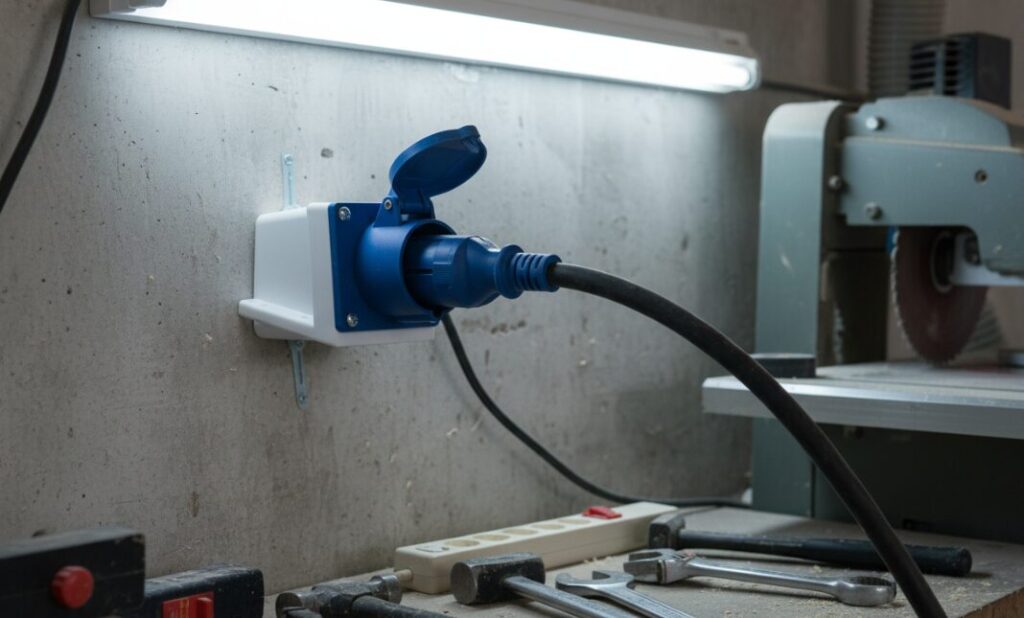
Why Does The Outlet Suddenly Lose Power?
When a socket suddenly loses power, it is often the system’s built-in safety mechanisms that are actually at work.
Circuit breaker tripping and fuse blowing: Our electrical system is designed to cut off power when the circuit is overloaded. You plug in too many high-power devices at once and the circuit breaker trips (or the fuse blows), which is actually to prevent the wires from overheating.
Leakage Protection (GFCI) Reset Button Jumps Off: Outlets with leak protection will instantly cut off power when a ground fault is detected. The most common situation I encounter is moisture or dust running into the outlet. If you notice the “Reset” button on the socket popping out, it’s protecting you from electric shock. In some dusty environments, prone to water ingress or debris, tripping ordinary sockets is a common occurrence. This is why many facilities upgrade the sockets to high-quality versions with protective covers, which prevent environmental interference and naturally provide stable power supply.
Hidden “Real Culprit”
If the circuit breaker does not trip, but the socket is dead, the problem is basically inside the socket box. Over time, physical aging can cause the socket to become completely useless:
Internal wear and tear from year-round use: Every time you plug and unplug the device, the metal contacts in the socket are subjected to friction. After a few years of use, these tabs stopped clamping the plug. Once the plug is loose, the current cannot flow smoothly and the socket naturally strikes. In some high-load usage scenarios, ordinary sockets age extremely quickly. So industrial plugs and sockets like those produced by DTCEE are indeed top-of-the-line, and upgrading to these products ensures that the contacts are durable and can withstand mechanical wear and tear even in harsh working environments.
Loose wiring and burnt joints: Wall vibrations, temperature changes, and even if not tightened during initial installation can cause the wires behind the socket to loosen. If the connection is loose, the current will jump between the gaps, which will generate extremely high temperatures and eventually burn out the connector and the socket will be useless.
How To Quickly Troubleshoot A Dead Outlet
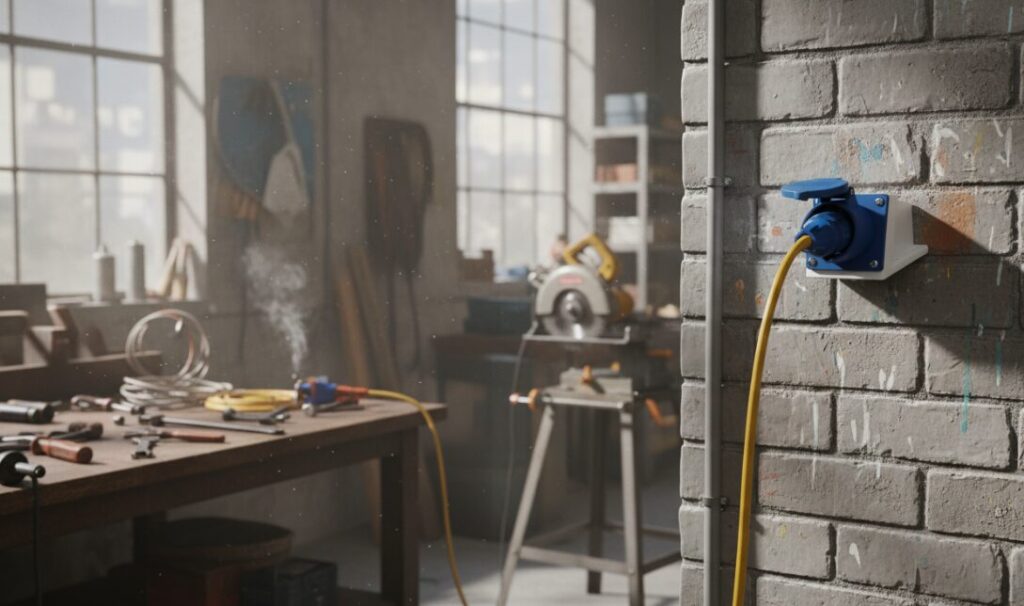
Before you prepare for the worst, you can do a few simple checks for the reasons mentioned above:
Troubleshoot electrical appliances: Don’t assume the outlet is broken right away. Find a device that is sure to be fine and plug it into the dead outlet to try. If the desk lamp is on, there is something wrong with your original appliance, it has nothing to do with the socket.
Check the distribution box: If the desk lamp is not on, go to the main distribution box in your home or facility. See if any switch is flipped “Off” or stuck in the middle position. Press the tripped switch firmly to turn it off completely, then push it back to the “On” position to see if the power can be restored.
When A Dead Outlet Becomes A Fire Hazard
Some broken outlets are inconvenient to use at best, but some are real security threats. Attention: You must carefully observe the appearance of the broken socket.
Sparks and burning plastic smell: If you can see noticeable sparks when plugging in, or if you smell a noticeable melting, burning plastic smell near the wall, this indicates an arc discharge is occurring inside the outlet.
Brown scorch marks: Discoloration or melting of the panel, or brown scorch marks around the jack, is already irrefutable ——burned connectors causing severe overheating of the socket.
If you find any of the above situations, immediately pull the circuit breaker to cut off the power and call a qualified electrician to handle it. No doubt about it, this is the active electrical fire hazard that is happening.
Reasons Why It Must Be Replaced Immediately
A burned-out hazardous socket is not okay and must be replaced immediately. When replacing these already dangerous outlets, especially in a workshop, garage, or industrial setting, I strongly recommend switching directly to a professional-grade replacement. Choosing an industrial socket with a durable protective cover (such as those solutions provided by DTCEE) can not only keep out the dust and moisture that cause GFCI tripping and joint burning, but its own structural strength is also strong enough to withstand future daily wear and tear. Do this to ensure your electrical system is both safe and functional for years to come.
Author: David Mitchell
Hi, I’m a certified master electrician with over 12 years of hands-on experience in both residential and industrial electrical systems. Over the years, I’ve dealt with countless electrical failures, and I’ve seen firsthand how a simple “dead outlet” can sometimes hide serious dangers.